
A crisis management PR agency protects your brand when trouble hits. A crisis communications company or crisis management agency gives you speed, structure, and calm. Right now, you may face a leak, a lawsuit, or a viral attack.
Next, you need a partner who acts in minutes, not days. This guide helps you choose the right crisis management PR agency. You will learn what these firms do, what they cost, and which red flags to avoid.
At 9-Figure Media, we guide leaders through this choice often. So we know where buyers go wrong. Read on, and you will hire with confidence.
What a Crisis Management PR Agency Does
First, a crisis management PR agency works in three phases. Each phase protects your name in a different way. Together, they cut damage and speed up recovery.
Preparation (risk assessment, playbooks, media training)
Preparation starts long before any headline appears. First, a good crisis pr management team runs a risk assessment. Then it ranks the threats that could hurt you most.
Next, the team builds your crisis communication plan. This plan names a crisis response team and sets clear roles. Also, it lists who approves each message.
The agency then writes a crisis playbook for each top threat. For example, a data leak needs different steps than a lawsuit. As a result, your team never starts from zero.
Finally, preparation includes people training:
- Media training for leaders who face reporters
- Spokesperson training for calm, clear answers
- Crisis simulation or tabletop exercise to test your plan
Also, the agency drafts a holding statement in advance. This short message buys you time. Besides, it shows the public you take the issue seriously.
Live response (monitoring, statements, spokesperson support)
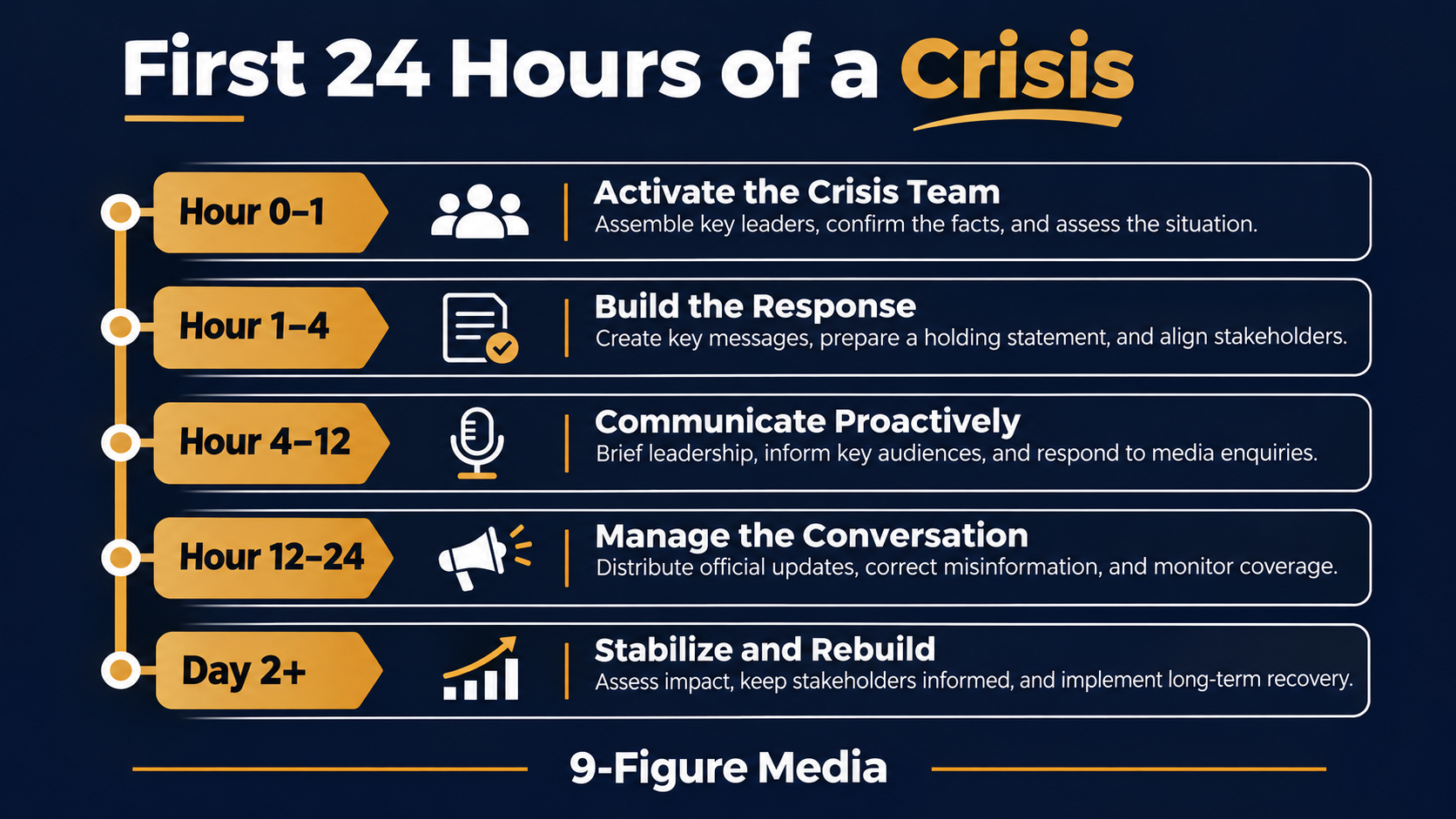
Live response is where PR crisis management earns its fee. First, the team starts social listening the moment trouble appears. Then it uses sentiment analysis to track how people react.
Next, the team confirms the facts with your leaders. Also, it drafts a press statement for approval. Meanwhile, it answers media calls so your staff can focus.
Spokesperson support matters here. For example, the agency coaches your leader before each interview. Likewise, it prepares answers to hard questions. As a result, your message stays steady.
Good agencies also handle stakeholder communication. That includes staff, customers, partners, and regulators. Plus, they time each message so nobody hears bad news through rumor.
Recovery (reputation rebuild, post-crisis review)
Recovery begins when the headlines slow down. First, the agency measures the damage. Then it builds a plan for reputation recovery.
Next, the team promotes positive stories and improves search results. This work overlaps with online reputation management. Also, it rebuilds trust with your key audiences.
Finally, a strong crisis communications company leads a post-crisis review. It asks what worked and what failed. Then it updates your playbook so you respond better next time.
Strong firms also practice issues management. That means they spot small problems early. As a result, fewer problems grow into crises.
Types of Crises Agencies Handle
Every crisis looks different. Still, most cases fall into four major groups. Here is what each one demands from a crisis management agency.
Data breaches and cyber incidents
Data breaches hit trust fast. Customers want answers within hours. So data breach communications must be clear and honest.
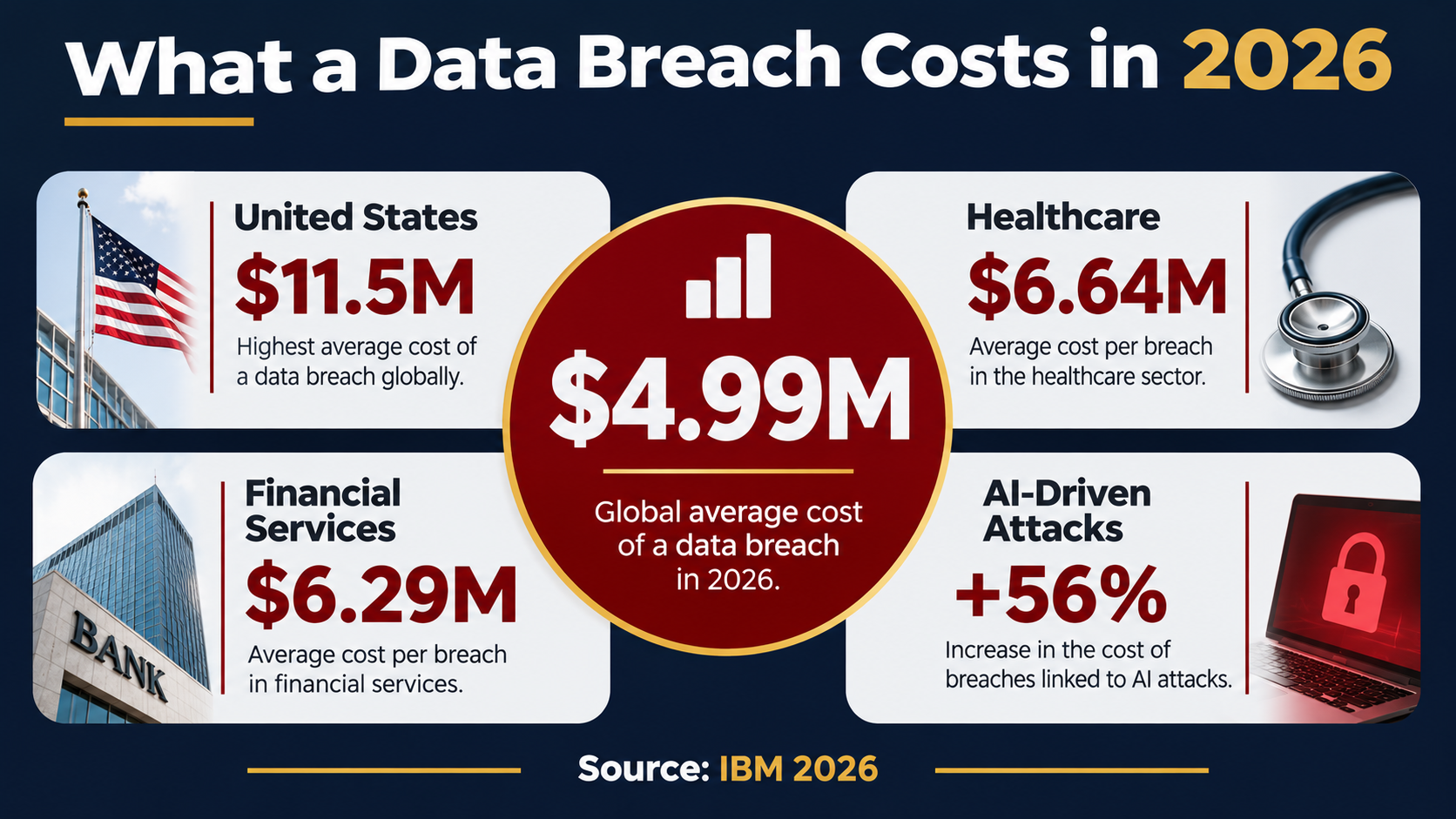
The money at stake is large. According to IBM’s 2026 Cost of a Data Breach Report, the global average breach now costs $4.99 million. That figure rose 12 percent in one year. Clearly, delay adds cost.
A skilled PR agency crisis management team does three things:
- Aligns legal, IT, and PR messages
- Drafts customer notices and a press statement
- Runs a 24/7 crisis hotline for questions
Product recalls and safety failures
Product recalls put people at risk. So product recall communications must be fast and plain. First, tell customers what to stop using.
Next, explain how they get a refund or a fix. Then share what you will change. Finally, update the public until the issue closes.
Executive misconduct and legal action
Executive misconduct needs careful words. Litigation PR works beside your lawyers. For example, the agency shapes public messages without harming your legal case.
Also, it protects investor relations when markets watch closely. So investors hear facts from you first. Meanwhile, employees get clear guidance too.
Social media backlash
Social media backlash moves in hours. One post can reach millions. So speed matters here more than anywhere.
First, the agency reviews what people actually say. Then it decides whether to reply, apologize, or stay quiet. Sometimes silence works better than a rushed reply.
When to Hire a Crisis Communications Company (and When Not To)
Not every problem needs outside help. Still, some do. Use this list to decide.
Hire a crisis communications company when:
- Major media outlets call you for comment
- Customer data is exposed
- Regulators or lawyers get involved
- Someone accuses a leader in public
- Negative posts spread faster than you can reply
Hold off when:
- A single bad review appears
- The issue stays small and private
- Your trained team already has a tested plan
Also, ask yourself one question. Can your team respond within one hour? If not, call an expert. Waiting costs more than hiring early.
8 Factors to Evaluate Before You Hire
A crisis management PR agency should earn your trust before you sign. Use these eight factors to compare your options. Also, ask each firm for proof.
- Relevant experience. Ask for cases like yours. Then check the results.
- Speed and availability. Your crisis will not wait for office hours. So confirm 24/7 coverage and a named contact.
- Senior involvement. Some firms sell you a senior name. Then they hand the work to juniors. Ask who answers your call at 2 a.m.
- Media relationships. Real access to reporters helps you correct errors fast. Also, ask how the firm earns coverage.
- Training and simulation. A good crisis management agency tests you before the crisis. For example, it runs a tabletop exercise with your leaders.
- Monitoring tools. Ask about social listening and sentiment analysis. Then ask how fast alerts reach your team.
- Legal and team coordination. Your lawyers, IT staff, and PR team must act as one. So ask how the firm works with them.
- Clear pricing and reporting. Ask for written terms. Also, ask how often the firm shares updates.
How Much Does a Crisis Management Agency Cost?
Prices vary by size, scope, and urgency. A crisis management agency may charge more for a global brand. Likewise, rush work often costs extra.
So ask for written quotes from at least three firms. Then compare what each quote includes. Cheap offers often leave out key services.
Retainer vs. hourly vs. project fees
Firms use three main pricing models:
- Retainer: You pay a monthly fee. In return, you get planning, priority response, and a 24/7 crisis hotline. Many firms charge from a few thousand to tens of thousands of dollars monthly.
- Hourly: You pay for time used. Rates often run from about $200 to $600 per hour. Still, bills can climb fast in a long crisis.
- Project: You pay a fixed fee for one task. For example, a crisis playbook or a simulation.
For most growing companies, a retainer works best. First, you lock in a team before you need it. Also, the agency learns your business in advance.
Red Flags to Watch For
Some firms sell comfort instead of results. Watch for these warning signs. Each one can cost you trust.
- Guaranteed deletion of negative coverage. No honest firm can promise this.
- Fake reviews or fake accounts. These tactics can backfire badly.
- No named team. You deserve to know who works on your case.
- Slow replies during sales. Then expect slower replies in a crisis.
- Advice to deny everything. Denial often makes things worse.
- Vague pricing. Hidden fees hurt you later.
- No legal coordination. A strong crisis communications company works with your counsel.
- No references. Ask for client names or case studies.
Also, trust your gut during the first call. A good partner asks sharp questions. Then it explains a clear plan.
Our Approach at 9-Figure Media
At 9-Figure Media, we treat every crisis as a race against time. We serve clients in the US, UK, Canada, and globally. So we build plans for different audiences and media markets.
Our process stays simple:
- Assess: We review the facts and rank your risks.
- Respond: We draft your holding statement and press statement fast.
- Prepare: We coach your spokesperson before any interview.
- Monitor: We track coverage and sentiment around the clock.
- Recover: We rebuild trust with real media placements.
Our proof comes from real work. We secure coverage in real outlets. Also, we report results in plain numbers.
As a result, our clients know where they stand at every step. We never promise what we cannot deliver. Instead, we promise speed, honesty, and a clear plan.
Crisis Management PR Agency FAQs
A crisis management PR agency protects your brand when unexpected trouble hits.
However, finding the ideal partner demands knowing their services, pricing structures, and action steps.
Below, we address key questions about these agencies and how they guide your company through tough times.
What does a crisis management PR agency do?
A crisis management PR agency prepares you for trouble. Then it guides your response and helps you recover. It writes statements, trains spokespeople, and tracks coverage.
How much does a crisis management PR agency cost?
Costs depend on scope and urgency. Retainers, hourly rates, and project fees all exist. Ask for written quotes, then compare what each includes.
What are the 4 (or 5) stages of crisis communication?
Most experts describe four or five stages. They are prevention, preparation, response, recovery, and review. Some models merge prevention and preparation.
So follow the model your team can use daily. Then practice it often. A tested plan beats a perfect plan on paper.
When should a company hire a crisis communications firm?
Hire a crisis communications firm before you need one. A retainer gives you a team on day one. If trouble has already started, call today.
What is the difference between crisis management and reputation management?
Crisis management handles sudden events. Reputation management builds and protects your image over time. Also, online reputation management focuses on what people find in search.
In short, one fights the fire. The other keeps the building safe.
How quickly can a crisis PR agency respond?
A good crisis PR agency responds within an hour. Firms with a 24/7 crisis hotline often reply faster. So ask each firm for its written response time.
What makes a good crisis communication plan?
A good plan stays short and clear. It names your crisis response team and spokesperson. Also, it includes holding statements, contact lists, and approval steps.
Finally, it gets tested. Run a crisis simulation at least once a year. Then update the plan after each test.
Can PR remove negative press?
No, PR cannot erase published news. Still, a good team can correct errors and add accurate stories. Also, it can improve what people see first in search.
What are examples of crisis PR done well?
Johnson & Johnson handled the 1982 Tylenol crisis with a fast national recall. The company put public safety first. As a result, it rebuilt trust over time.
KFC UK faced a chicken shortage in 2018. The brand ran a humble apology ad. Many people praised its honest tone.
Next Steps
You now know how to judge a crisis management PR agency. So take action today. Start with a quick risk assessment of your top three threats.
Next, write down your crisis response team. Then draft your first holding statement. After that, book calls with two or three firms.
Ready to talk? Contact 9-Figure Media today. Our team will review your risks and build your crisis playbook. Let us help you choose the right partner before trouble finds you.