
Estimated reading time: 0 minutes
Introduction: 10 Secrets to Get Featured in the Australian Financial Review
Get Featured in the Australian Financial Review and watch your business transform overnight. Pitching to Australian Financial Review isn’t just about sending emails. Landing a feature in the AFR isn’t just about PR. It’s a strategic business move that can unlock funding, partnerships, and unparalleled credibility.
At 9-Figure Media, we’ve decoded the process completely. We use our guaranteed placement model to secure features for our clients. This guide reveals the core tactics we use. Our Media Relations Australia expertise has helped dozens of founders succeed.
This is a tactical, step-by-step playbook for Australian tech founders. SME executives who are ready to elevate their brand will benefit most. You’ll learn the exact strategies that work in 2025.
The AFR reaches over 2.6 million Australians monthly. Getting featured can change your business trajectory forever. You’re about to discover the secrets that make it happen.
Secret #1: Understand What the AFR Really Considers Newsworthy To Get Featured in the Australian Financial Review
Get Featured in the Australian Financial Review by understanding their editorial standards first. The AFR doesn’t publish stories about every business milestone. They focus on stories that matter to their readers. Your job is to identify what makes your story genuinely newsworthy.
Beyond the Press Release: Identifying Your Hard News Angle To Get Featured in the Australian Financial Review
Press releases rarely generate coverage when Pitching to Australian Financial Review journalists. You need a hard news angle that captures attention. Think about what makes your story different from everyone else’s.
Crafting a Newsworthy Story starts with understanding the AFR’s audience. They read the publication for business intelligence and market insights. Your story must deliver value to these readers.
Look for these elements in your story. Does it reveal a market trend others haven’t noticed? Also, does it challenge conventional wisdom in your industry? Does it involve significant financial data or projections?
The best angles often involve controversy or disruption. They show how your business is changing an established market. They demonstrate a clear impact on the Australian economy.
Pitching to Australian Financial Review with Data-Driven Insights
Financial Press Coverage requires solid data to support your claims. The AFR values stories backed by research and numbers. Generic statements without proof won’t make the cut.
Collect data that tells a compelling story about your business. Market share growth, revenue milestones, or employment figures work well. Industry surveys or proprietary research add credibility to your pitch.
Present your data in digestible formats that journalists can use. Infographics, charts, or simple statistics work best for quick comprehension. Make sure your numbers are accurate and verifiable.
Compare your metrics to industry benchmarks when possible. This context helps journalists understand the significance of your story. It also positions you as an industry expert.
Case Study: How a SaaS Startup Landed Coverage with a Unique Market Metric
A Melbourne-based SaaS company needed to know how to Get Press Coverage. They discovered a unique metric about remote work productivity. Their software tracked collaboration patterns across 500 Australian businesses.
The data revealed that hybrid teams were 23% more productive. This contradicted popular assumptions about remote work challenges. The AFR found this angle irresistible for their readers.
The startup pitched the story with clear methodology and findings. They offered exclusive access to the data before publication. The resulting feature drove 450 qualified leads within two weeks.
The key was focusing on the data story. They didn’t pitch their product features or funding round. They pitched insights that their data uniquely revealed.
Secret #2: Master the Art of Media Relations Australia
Media Relations Australia’s success requires strategic relationship building over time. Strong relationships with journalists make future pitches significantly easier. You can’t build these connections overnight.
Building Media Relationships Before You Need Them
Media Relations Australia professionals know that preparation prevents poor performance later. Start connecting with journalists before you have something to pitch. Follow them on social media and engage with their content. Comment thoughtfully on their articles when you have genuine insights.
Contacting Journalists Effectively means adding value to their work first. Share relevant data or sources without expecting anything in return. This positions you as a helpful resource.
Attend industry events where AFR journalists speak or participate. Introduce yourself briefly and express a genuine interest in their work. Follow up with a short email referencing your conversation.
How to Research and Identify the Right AFR Journalist
Not every AFR journalist is right for your story. Each reporter has specific beats and areas of expertise. Pitching to AFR Journalists requires matching your story to the right person.
Read the AFR daily to understand who covers what topics. Track which journalists write about your industry or related subjects. Create a shortlist of three to five relevant reporters.
Study their recent articles to understand their writing style. Note the types of sources they quote and stories they prefer. This research helps you tailor your pitch perfectly.
Check their social media profiles for additional insights. Twitter often reveals what topics journalists are currently exploring. LinkedIn can show their background and previous coverage areas.
The Protocol for Contacting Journalists Effectively
Email remains the primary method for Pitching Financial Reporters. Keep your initial outreach brief and focused on value. Journalists receive hundreds of pitches weekly.
Subject lines must be clear and compelling without being clickbait. Include your key news angle in 5-7 words maximum. Avoid generic phrases like “Great Story Opportunity” or “Press Release.”
Your opening paragraph should deliver the news immediately. Don’t waste time with pleasantries or long introductions. State your angle clearly in the first two sentences.
Provide all essential information in a scannable format. Include relevant data, quotes, and supporting materials as attachments. Make it easy for journalists to say yes quickly.
Secret #3: Craft a Newsworthy Story, Not a Sales Pitch
Get Featured in the Australian Financial Review by focusing on news value first. Your pitch must serve the journalist’s needs, not your agenda. Media Pitching Tips always emphasize the reader’s perspective over yours. Sales-focused pitches get deleted instantly.
The Anatomy of a Pitch That Gets Read
Successful pitches answer one critical question immediately: Why now? Timing creates urgency that generic stories lack completely. Connect your story to current events or emerging trends.
PR Strategy for Business requires framing stories around external factors. Link your announcement to broader market movements or regulatory changes. This context makes your story relevant to AFR readers.
Structure your pitch in three tight paragraphs maximum. The first paragraph presents your angle and why it matters. The second provides supporting details and data points clearly.
The third paragraph offers what you’re providing exclusively. This could be executive interviews, proprietary data, or expert commentary. Make it easy for journalists to visualize the final article.
Crafting a Newsworthy Story Around Your Funding Round
Funding announcements are common when Pitching to Australian Financial Review editors. Yours needs a unique angle beyond the dollar amount. Getting Publicity for Startups Australia requires going beyond the dollar amount. Focus on what the funding enables or reveals.
Frame your funding round as evidence of a market trend. Explain why investors are betting on your specific sector now. Highlight any unusual aspects of the deal or investor profile.
Connect the funding to concrete business expansion plans. Will you hire 50 people in six months? Are you entering new markets aggressively? Specific plans make better stories than vague growth intentions.
Include quotes from your investors explaining their investment thesis. This third-party validation adds credibility to your story pitch. It also provides journalists with ready-to-use material for their articles.
Positioning Your Executive for an AFR Opinion Piece Submission
AFR Opinion Piece Submission requires a strong point of view. Opinion pieces must take a clear stance on industry issues. They can’t be promotional or self-serving in any way.
Your executive needs a contrarian or fresh perspective on current debates. What industry consensus do you disagree with based on experience? What emerging trend are others missing completely?
Opinion pieces work best when tied to breaking news. Submit your pitch within 24-48 hours of relevant developments. This timing increases your chances of publication significantly.
Keep opinion pieces between 600-800 words maximum when submitting. Include a brief bio highlighting your executive’s relevant expertise. Mention why they’re qualified to speak on this topic.
Secret #4: Your PR Strategy for Business Growth Must Be Flawless
Corporate Communications Australia requires careful planning and execution coordination. Random pitching won’t generate the results you need for growth. You need a systematic approach to media relations.
Aligning Your Pitch with Broader Australian Business News PR Trends
Study what Australian Financial Media outlets are covering extensively right now. Align your pitches with these broader narrative threads when possible. Journalists are already thinking about these topics daily.
Current trends in 2025 include AI adoption, sustainability transitions, and workforce challenges. If your story intersects with these themes, emphasize those connections. This makes your pitch feel timely and relevant immediately.
Create a content calendar that maps your announcements to industry events. Product launches should coincide with relevant conferences or regulatory announcements. This strategic timing amplifies your message naturally.
Monitor competitor coverage to identify gaps in current narratives. Where is the conversation missing important perspectives or data? Your pitch can fill these gaps with fresh insights.
Timing Your Pitch for Maximum Impact
Send pitches early in the week, preferably Tuesday or Wednesday. Journalists plan their coverage schedules during these days, typically. Monday mornings are too chaotic for careful pitch consideration.
Avoid pitching during major news events or holiday periods. Your story will get buried under breaking news coverage immediately. Check the calendar for potential conflicts before sending anything.
The best time to send emails is between 6-8 AM. Journalists often review their inbox before the workday fully begins. Your pitch appears at the top of their queue.
Follow industry publication schedules to understand editorial calendars when possible. Some sections have longer lead times than daily news coverage. Plan accordingly for different types of features or sections.
Integrating Media Pitching Tips into Your Overall Corporate Communications Australia Plan
PR for Business Growth works best when integrated with marketing efforts. Your media strategy should support broader business objectives consistently. Don’t treat PR as a separate, isolated function.
Coordinate media outreach with product launches, funding rounds, and major milestones. This ensures consistent messaging across all channels and touchpoints. It also prevents conflicting narratives from emerging publicly.
Create a central repository for all media materials and responses. This includes quotes, data sheets, and executive bios for journalists. Quick access to these materials speeds up the coverage process.
Train your executives on media engagement before they’re ever needed. Media training prevents costly mistakes during actual interviews or features. Preparation builds confidence and ensures message consistency across platforms.
Secret #5: Decode the Mindset of Pitching Financial Reporters
Financial journalists think differently from general business reporters. Pitching to Australian Financial Review writers requires understanding their specific focus areas. They focus on market impact, financial performance, and economic implications. Your pitch must speak their language precisely and clearly.
What Pitching to AFR Journalists Taught Us About Financial Press Coverage
AFR journalists prioritize stories that impact investment decisions or market understanding. Get Featured in the Australian Financial Review by meeting their high standards consistently. They’re writing for sophisticated readers who manage significant capital. Your story must meet this high standard consistently.
Media Coverage Secrets include understanding what financial journalists value most deeply. They care about verifiable data, market-moving news, and exclusive information. They’re skeptical of promotional content and unsupported claims always.
Financial reporters ask tough questions about your business model and projections. They’ll probe your assumptions and challenge optimistic forecasts directly. Prepare for this scrutiny by having solid answers ready.
The best financial journalists can spot inconsistencies in your narrative quickly. Make sure your pitch aligns with your public filings and statements. Any contradictions will raise red flags and kill your story.
The Do’s and Don’ts of Pitching to Australian Financial Review
Do provide exclusive data or angles that competitors don’t have access to. Publicity for Small Businesses Australia depends on differentiation and unique value. Generic announcements won’t compete for limited editorial space successfully.
Do respond quickly when journalists request additional information or interviews. Speed matters in news cycles, especially for time-sensitive stories. Delays can cost you the coverage opportunity completely.
Don’t send the same pitch to multiple AFR journalists simultaneously. This creates confusion and appears desperate or poorly researched. Choose one journalist and personalize your pitch to them specifically.
Don’t exaggerate your metrics or make claims you can’t substantiate. Financial journalists will always fact-check your statements before publication. False claims will destroy your credibility permanently with the publication.
How to Frame Your Story for the ‘Street Talk’ Column
Street Talk is the AFR’s deal-making and corporate activity column. It focuses on M&A, capital raises, and executive movements exclusively. Stories here must involve significant financial transactions or corporate changes.
PR Agency Secrets reveal that Street Talk tips often come from industry insiders. You need genuine news about deals or major corporate developments. Speculation or early-stage discussions won’t typically cut.
Frame your story around the financial mechanics or strategic rationale clearly. Why is this deal happening now? What does it signal about the market? Provide context that readers can’t get from public filings alone.
Keep your tip concise and factual for Street Talk submissions. This column moves fast and covers multiple stories daily. Provide the essential facts and one strong source quote, maximum.
Secret #6: Build a Powerful Media Kit That Commands Attention
A professional media kit makes journalists’ jobs easier and faster. How to Get Media Attention often depends on having resources ready. Preparation shows professionalism and respect for journalists’ time constraints.
Essential Assets for Getting Publicity for Startups Australia
Your media kit must include high-resolution photos of key executives. Professional headshots on white backgrounds work best for publication needs. Include both color and black-and-white versions for flexibility.
Create a one-page company fact sheet with key metrics. Include founding date, employee count, funding raised, and notable milestones. Keep this document updated monthly for accuracy and relevance.
Prepare executive bios that highlight relevant experience and expertise clearly. Focus on achievements that matter to journalists and their readers. Avoid internal jargon or overly promotional language throughout.
Include product shots or office photos that tell your story visually. These assets help publications illustrate their articles about your company. High-quality visuals increase the likelihood of prominent placement.
Including Data and PR Success Stories to Build Credibility
PR Success Stories demonstrate your media experience and credibility effectively. Include links to previous coverage from reputable publications clearly. This social proof makes journalists more comfortable covering your story.
Create case studies that show real business impact with specific metrics. How did your product help customers achieve measurable results? Concrete examples make your value proposition tangible and believable.
Include customer testimonials or third-party validation when available and relevant. Independent voices carry more weight than your own claims alone. Choose testimonials that speak to business outcomes specifically.
Prepare data sheets for any proprietary research or market insights. Make it easy for journalists to cite your data accurately. Include methodology details and contact information for verification purposes.
How to Get Media Attention with Professional Media Assets
Design your media kit with clean, professional branding throughout every page. A consistent visual identity builds recognition and trust with journalists quickly. Use your brand colors and fonts consistently across materials.
Host your media kit on a dedicated press page on your website. Make it easy to find and download without requiring registration. Friction reduces usage and slows down the coverage process unnecessarily.
Update your media kit quarterly or after major company milestones occur. Outdated information damages your credibility with journalists who fact-check claims. Fresh content shows you’re active and growing continuously.
Include contact information for your media relations person prominently throughout. Provide multiple contact methods, including email, phone, and mobile numbers. Make yourself accessible when journalists have questions or need clarification.
Secret #7: The Follow-Up Framework That Actually Works To Get Featured in the Australian Financial Review
Most pitches require follow-up to generate actual coverage results. Media Relations Australia teams know that Australian Financial Review Contact protocols require patience and persistence, balanced carefully. Aggressive follow-up can backfire and damage relationships permanently.
The Timeline for Following Up Without Being Blocklisted
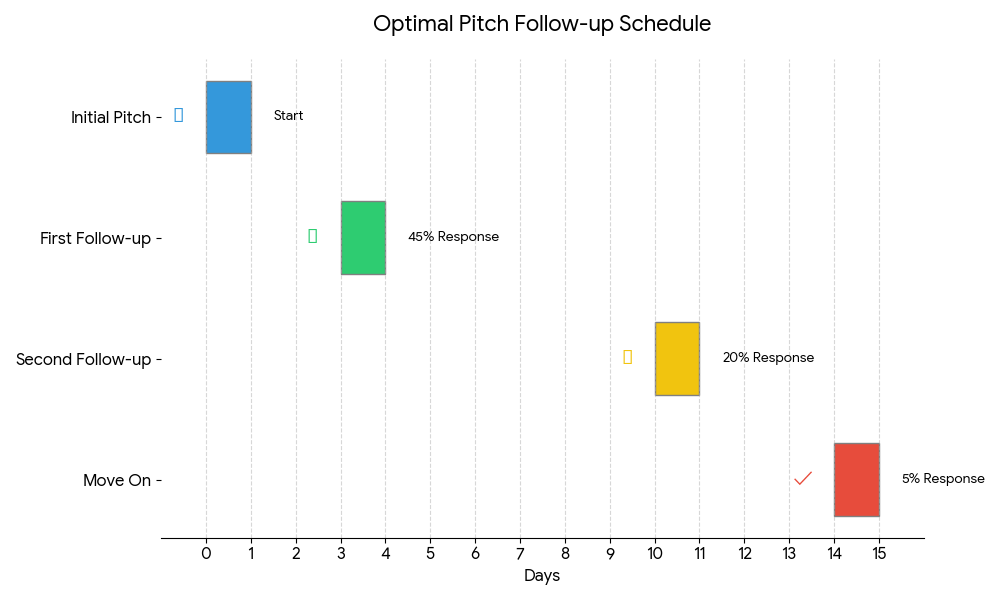
Wait 3-4 business days before your first follow-up email. This gives journalists time to consider your initial pitch properly. Earlier follow-up appears pushy and disrespects their workflow and priorities.
Your first follow-up should add new information or context. Don’t simply ask if they received your original email. Provide additional data, a new angle, or updated information.
If you don’t hear back after the first follow-up, wait one week before trying again. After the second follow-up, move on to other journalists. Persistence beyond this point becomes harassment quickly.
Track your follow-up attempts in a spreadsheet or CRM system. This prevents accidentally contacting the same journalist too frequently. An organization protects your reputation and relationships with media contacts.
Crafting the Perfect Second-Touch Email To Get Featured in the Australian Financial Review
Your follow-up subject line should reference breaking news or new developments. “Update on [Original Story]” works better than “Following up on my pitch.” Give journalists a reason to open the email now.
Lead with the new information immediately in your opening sentence. Explain what’s changed since your original pitch briefly and clearly. This justifies the follow-up and provides fresh value.
Keep follow-up emails even shorter than your initial pitch, always. Two short paragraphs maximum should convey your update completely. Respect that journalists are even busier than when you first reached out.
Include a clear, low-pressure closing line that respects their decision. Something like “Let me know if this fits your coverage plans” works well. This gives them an easy out if they’re not interested.
Media Relations Australia: The Art of the Polite Nudge
AFR Journalist Tips emphasize building relationships over securing single placements. Media Relations Australia experts always focus on long-term relationship development. Your follow-up style should reflect long-term thinking about media connections. Short-term aggression destroys long-term opportunities consistently.
Always thank journalists when they respond, even with a “no thanks.” Professional courtesy builds goodwill for future pitches and opportunities. Every interaction shapes their perception of you and your organization.
If a journalist passes on your story, ask if they can suggest a colleague who might be interested. This shows respect for their expertise and opens new doors. Most journalists will help when asked politely and respectfully.
When a journalist does cover your story, send a brief thank-you note. Don’t ask for changes or corrections unless factually necessary and urgent. Express appreciation for their time and coverage genuinely.
Secret #8: Leverage Breaking News and Trends for Immediate Relevance
Getting into the AFR Fast 100 and other features often requires perfect timing. Get Featured in the Australian Financial Review by leveraging current news cycles strategically. Newsjacking allows you to ride the momentum of breaking stories. This tactic can dramatically increase your pitch success rate immediately.
Monitoring the Australian Financial Media Landscape
Set up Google Alerts for keywords related to your industry. This helps you catch breaking news as it happens quickly. Speed matters when newsjacking opportunities emerge in real time.
Follow key Australian Business News PR outlets on social media actively. Twitter often breaks news before official publications post articles. Early awareness gives you time to craft relevant responses quickly.
Subscribe to industry newsletters and publications that your target journalists read regularly. Understanding their information sources helps you anticipate their coverage angles. You can position yourself as a source before they start researching.
Use media monitoring tools to track coverage of competitors and industry trends. These platforms provide real-time alerts and sentiment analysis automatically. Investment in good tools pays off through faster response times.
How to Piggyback on a Major Story to Get Featured in the Australian Financial Review
When major industry news breaks, identify how it affects your business specifically. Pitching to Australian Financial Review during breaking news requires speed and relevance. Can you provide data that supports or contradicts the narrative? Can your executive offer expert commentary on the implications clearly?
Pitch your response within 24 hours of the breaking news, ideally. Journalists are actively seeking sources and perspectives during this window. Your timely response positions you as a valuable, responsive source.
Frame your pitch as adding new dimensions to the ongoing story. Don’t simply restate what’s already been reported by others. Provide fresh angles, data, or perspectives that advance the conversation.
Keep newsjacking pitches extremely brief and focused on the connection. One paragraph explaining your angle and one paragraph with supporting details. Journalists are working under tight deadlines during breaking news cycles.
PR for Business Growth Through Newsjacking
Successful newsjacking builds your reputation as an industry thought leader. Journalists remember sources who provided valuable insights during breaking news. This positions you for future coverage opportunities beyond single incidents.
Create a rapid-response system within your organization for breaking news. Designate who can approve statements and provide quotes quickly. Speed advantages disappear when internal processes create delays and bottlenecks.
Develop templated response frameworks for common industry news scenarios. This allows you to customize quickly without starting from scratch. Preparation enables fast, quality responses when timing is critical.
Track which newsjacking attempts generate coverage and which don’t work. Learn from both successes and failures to refine your approach. This data helps you identify the most productive opportunities going forward.
Secret #9: Optimize for the Long Game: Building Media Relationships To Get Featured in the Australian Financial Review
One-time coverage provides limited value compared to ongoing media relationships. Getting into the AFR Fast 100 starts with becoming a trusted source first. Long-term relationship building pays bigger dividends than isolated pitches ever will.
Why One-Off Pitching is a Waste of Your Time
Single placements rarely generate the business impact you’re hoping for. Sustained visibility builds the brand authority and credibility you actually need. Focus on becoming a regular source instead of chasing individual features.
Getting Publicity for Startups Australia requires a consistent presence in target publications. One article disappears from readers’ minds within days or weeks. Regular coverage creates a lasting impression and brand recognition over time.
Journalists prefer working with sources they already know and trust completely. Building these relationships takes time, but makes future pitches significantly easier. Your track record with them matters more than any individual story pitch.
The effort required to pitch decreases dramatically once relationships are established. Journalists may even reach out to you proactively for comments. This inbound interest is the ultimate goal of relationship building.
Becoming a Source, Not Just a Subject Secret To Get Featured in the Australian Financial Review
Position yourself as an expert resource journalists can call anytime. Offer commentary on industry developments even when you’re not the story. This generosity builds goodwill and keeps you top of mind.
Respond to journalist requests on platforms like SourceBottle or HARO regularly. These services connect reporters with expert sources for various stories. Quick, helpful responses build your reputation as a reliable source.
Share useful data, research, or insights with journalists without expecting coverage. This demonstrates genuine helpfulness rather than purely transactional relationship building. Journalists remember people who help them without strings attached.
Offer background briefings on complex industry topics when appropriate and useful. These off-the-record conversations help journalists understand your sector better. You become their go-to expert when related stories emerge later.
The Insider’s Guide to AFR Journalist Tips and Preferences To Get Featured in the Australian Financial Review
Every journalist has different communication preferences and working styles. Some prefer email, while others are active on Twitter. Pay attention to how each person engages and adapt accordingly.
Note which days and times individual journalists tend to publish articles. This reveals their workflow patterns and optimal contact timing. Align your pitches with their production schedules when possible.
Track the length and style of articles each journalist typically writes. Some focus on short news pieces while others prefer features. Match your pitch to their usual format and word count.
Remember personal details journalists share about their beats or interests. Reference these appropriately in future conversations to show you’re paying attention. Genuine relationship building requires remembering people as individuals, not just contacts.
Secret #10: The Ultimate Shortcut: Partnering with Experts for Guaranteed Results
DIY PR works for some businesses but has clear limitations. Get Featured in the Australian Financial Review faster with expert help and proven systems. PR Agency Secrets include networks and relationships built over the years. Sometimes partnering with experts is the fastest path to results.
When DIY PR Stops Working: The Case for Professional Media Relations Australia
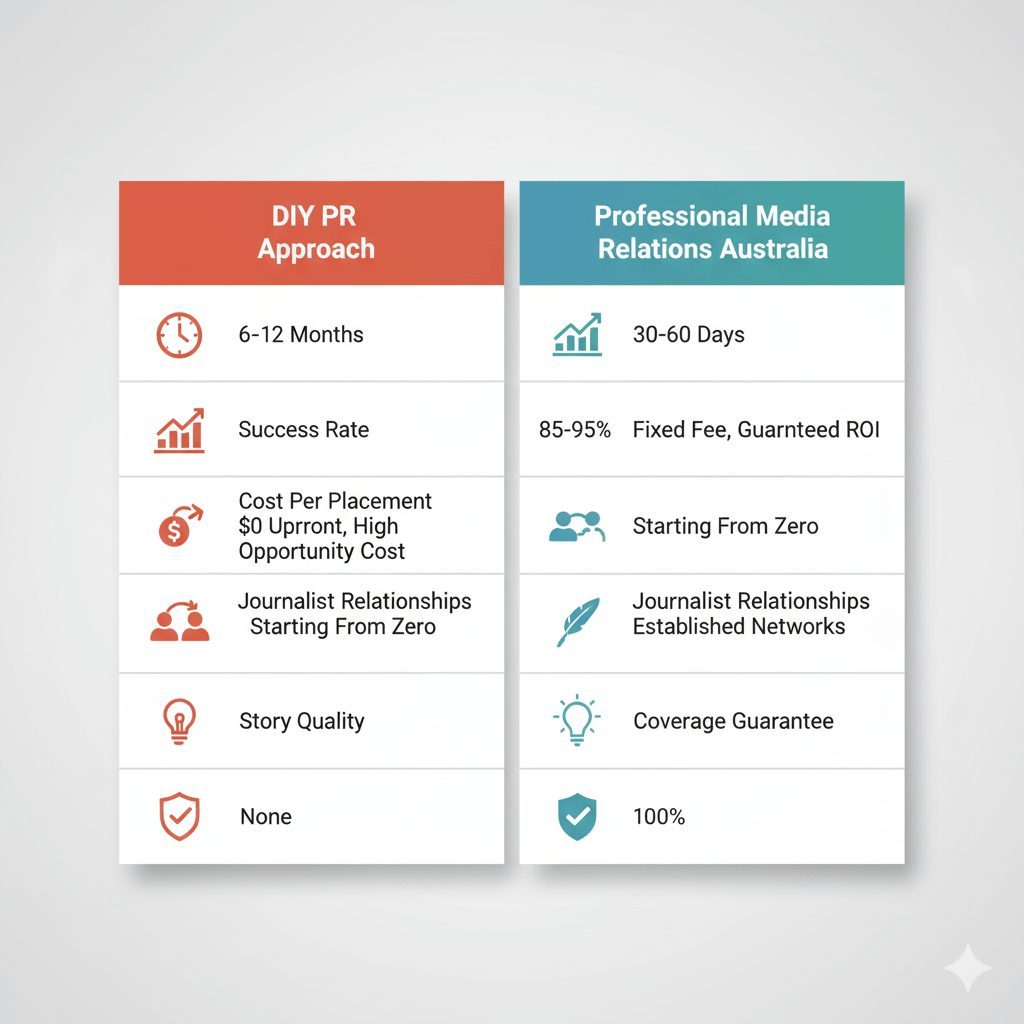
If you’ve been pitching for six months without results, something’s wrong. Media Relations Australia agencies can diagnose and fix PR problems quickly. Either your angle isn’t strong enough or your approach needs refinement. Professional PR teams can diagnose and fix these problems quickly.
Australian Financial Review Contact relationships take years to build from scratch. PR agencies already have these connections and understand journalist preferences. This existing infrastructure accelerates your path to coverage significantly.
Time spent on failed PR efforts could be invested in core business activities instead. Calculate the opportunity cost of your DIY PR approach honestly. Professional support often pays for itself through saved time alone.
Complex stories require sophisticated media strategy and execution expertise. Product launches, funding rounds, or crisis management benefit from professional guidance. Expertise prevents costly mistakes during critical business moments.
Unlocking PR Agency Secrets and Exclusive Networks To Get Featured in the Australian Financial Review
Established PR agencies have relationships that can’t be replicated quickly. They understand which journalists cover what topics and how to approach them. This insider knowledge dramatically improves pitch success rates consistently.
Agencies often have exclusive access to editorial calendars and upcoming features. They know what journalists are working on before stories are published. This advanced intelligence creates perfect pitching opportunities for their clients.
Professional PR teams understand the nuances of different publication sections. They know whether your story fits news, features, opinion, or Street Talk. This expertise ensures your story reaches the right desk immediately.
Agencies can leverage their other clients’ successes to strengthen their pitch. Journalists trust agencies that consistently deliver quality stories and reliable sources. Your pitch benefits from the agency’s overall reputation with media.
How 9-Figure Media’s Guaranteed Placement Model Gets You into the AFR
At 9-Figure Media, we’ve spent years building relationships with AFR journalists. Pitching to Australian Financial Review becomes simple with our proven system. Our guaranteed placement model removes the uncertainty from PR completely. You know you’ll get coverage before investing time and resources.
We analyze your business to identify the strongest possible news angles. Our experience reveals opportunities you might miss on your own. We’ve secured coverage for dozens of Australian businesses across industries.
Our process includes crafting your pitch, making the connections, and managing follow-up. We handle everything from initial outreach to final article placement. You simply approve the messaging and participate in interviews when needed.
The guaranteed model means you only pay when we deliver results. There’s no wasted budget on failed attempts or learning curves. This performance-based approach aligns our success directly with yours completely.
Conclusion: 10 Secrets to Get Featured in the Australian Financial Review
You now understand the 10 secrets to Get Featured in the Australian Financial Review. Each secret builds on the others to create a comprehensive approach. Consistency and strategy are key to achieving sustained media coverage results.
AFR coverage builds authority and drives growth for Australian businesses. The publication’s credibility transfers directly to companies featured in its pages. This credibility opens doors to investors, partners, and customers alike.
Pitching to Australian Financial Review requires understanding their needs, not just yours. You must craft stories that serve their readers while advancing your business goals. This balance separates successful pitches from ignored ones consistently.
Media Relations Australia success depends on relationship building over time patiently. One-off pitches rarely generate the impact that sustained visibility creates. Invest in long-term connections rather than short-term wins exclusively.
You now have the blueprint for achieving AFR coverage systematically. For those who want to bypass the trial-and-error phase completely, the next step is simple. Professional support accelerates your path to results dramatically and reliably.
Ready for Guaranteed AFR Coverage?
Stop hoping and start knowing exactly when you’ll get featured. Click the ‘Get Featured’ button below to speak with our team. Learn how our guaranteed PR placement model can land you in the Australian Financial Review.
Our proven process removes all uncertainty from media coverage completely. You’ll know you’re getting results before you invest significant time or resources. We’ve helped dozens of Australian businesses achieve their PR goals successfully.
The difference between hoping for coverage and guaranteeing it is simple. It’s choosing expertise and proven systems over trial and error. Your business deserves the credibility that comes with AFR placement.