
Introduction to Media Relationships for Press Success
Building strong media relationships transforms your brand’s visibility overnight. Media relationships serve as the foundation for successful press campaigns that generate lasting results. Imagine landing features in Forbes or Bloomberg consistently. This achievement stems from mastering the art of managing media relations effectively. Media relations represents the strategic process of building beneficial professional relationships with journalists and media outlets.
What is media relations exactly? The media relations definition encompasses creating authentic connections that benefit both brands and journalists. This process involves consistent communication, valuable content sharing, and mutual respect building.
Strong media relations boost your brand’s credibility significantly. These connections transform one-time features into ongoing partnerships that drive business growth. Quality media relations create trust between your brand and influential media personalities.
Why is it important to build strong connections with media professionals? These relationships unlock doors to premium publication opportunities. They position your brand as a trusted industry authority that journalists seek for expert commentary.
9-Figure Media specializes in helping brands secure guaranteed placements in top-tier outlets. Our clients’ land features in Forbes, Business Insider, Bloomberg, and other prestigious publications. We combine compelling storytelling with strategic relationship building to create lasting media partnerships.
The following ten secrets will revolutionize your approach to media relations in PR. These strategies differentiate successful brands from their competitors through consistent press coverage. Master these techniques to transform your media relations plan into a powerful business growth engine.
Ready to dominate your industry’s media landscape? These proven strategies will elevate your brand’s visibility and credibility beyond your competition.
Secret 1: Cultivate Authentic Media Relationships
Authenticity forms the cornerstone of successful media relationship building. Genuine connections create lasting partnerships that benefit both parties involved. Fake relationships crumble quickly and damage your brand’s reputation permanently.
Media relations strategist professionals understand that trust takes time to develop. They invest months building rapport before making any pitch requests. This approach creates stronger bonds than aggressive sales tactics ever could.
Start by researching journalists who cover your industry regularly. Read their recent articles and understand their writing style preferences. Follow them on social media and engage with their content meaningfully.
Share valuable industry insights without expecting immediate returns. Offer exclusive data or expert commentary when relevant news breaks. This generosity builds goodwill that pays dividends in future coverage opportunities.
Personal connections matter more than formal business relationships. Remember journalists’ personal interests and career milestones. Send congratulatory messages when they publish significant pieces or receive professional recognition.
A 9-Figure Media client exemplifies this approach perfectly. We spent six months building genuine relationships with Bloomberg journalists before pitching any stories. This relationship-building strategy resulted in multiple features over two years.
Tips for Managing Media Relations Authentically
- Personalize every outreach message with specific references to the journalist’s recent work.
- Respond promptly to media inquiries even when you cannot provide the requested information.
- Share relevant industry news and insights without self-promotional content attached.
- Remember personal details about journalists and reference them in future communications.
- Offer exclusive access to company executives or industry data as a relationship gesture.
Managing media relations authentically requires patience and a genuine interest in journalists’ success. Focus on providing value rather than extracting immediate benefits from every interaction.
Secret 2: Develop a Media Relations Strategy Blueprint
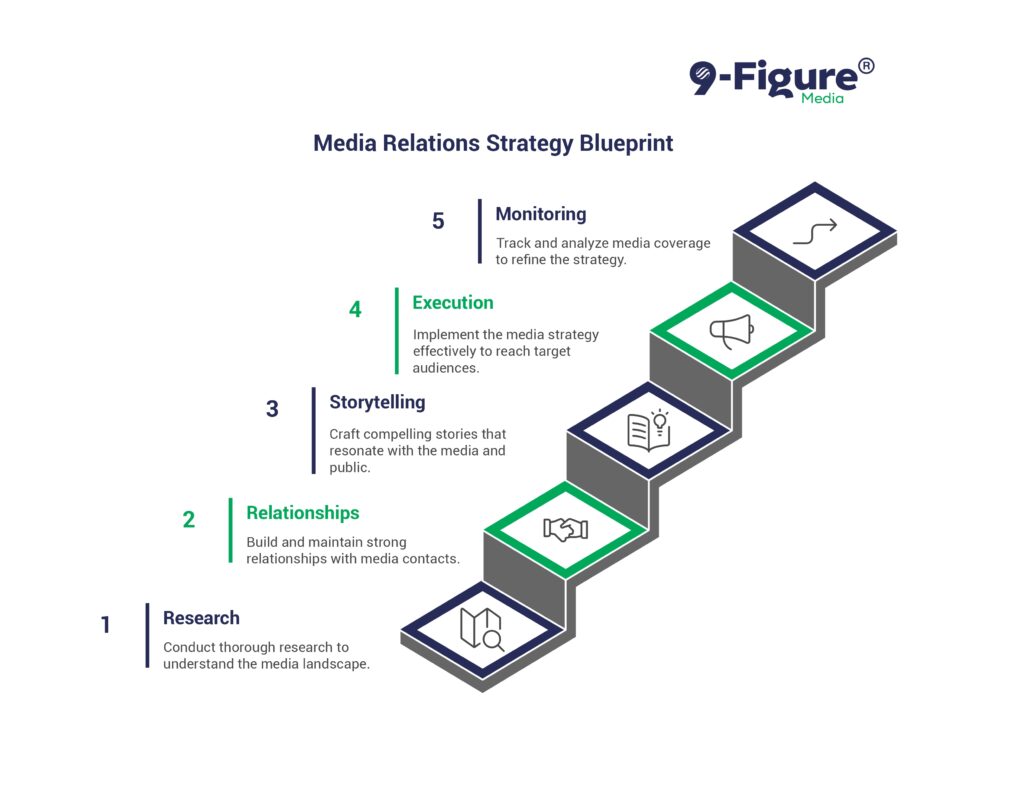
Every successful media relations plan starts with clear objectives and measurable goals. Strategic planning prevents scattered efforts that waste time and resources. Your blueprint should align with broader business objectives and marketing strategies.
Define your target publications and journalists before launching any outreach campaigns. Research their content preferences, publishing schedules, and audience demographics. This preparation increases your pitch success rates dramatically.
Create detailed buyer personas for your ideal media contacts. Understanding their motivations helps craft more compelling story angles. Consider their career pressures, content deadlines, and audience expectations when developing your approach.
Set specific metrics for measuring your media relations success. Track placement rates, sentiment analysis, and referral traffic from earned media coverage. These measurements guide strategy adjustments and demonstrate ROI to stakeholders.
Corporate media relations and PR integration require coordination between multiple departments. Sales teams provide customer success stories while product teams offer technical insights. Marketing teams contribute campaign data and audience research findings.
Your blueprint should include crisis communication protocols for negative coverage situations. Prepare response templates and escalation procedures before issues arise. Quick, professional responses protect your brand’s reputation during challenging periods.
Budget allocation affects your strategy’s scope and effectiveness significantly. Premium tools and services accelerate relationship building but require financial investment. Balance your resources between technology, personnel, and relationship maintenance activities.
Secret 3: Prioritize Consistent Communication in Media Relations
Consistency transforms sporadic media contacts into reliable professional relationships. Regular communication keeps your brand visible when story opportunities arise. Journalists remember brands that provide consistent value over time.
What is media liaison work? It involves maintaining ongoing dialogue with media contacts through various touchpoints. This includes sharing industry updates, commenting on trending topics, and providing expert insights regularly.
Establish a communication calendar that matches journalists’ content cycles. Weekly newsletters work well for daily publication contacts. Monthly updates suit magazine journalists with longer lead times better.
Agility connections require flexible communication strategies that adapt to breaking news cycles. Monitor industry trends and respond quickly with relevant expert commentary. Speed often determines which sources journalists quote in trending stories.
Create valuable content specifically for your media contacts. Industry reports, survey data, and trend analyses provide story foundation material. Exclusive access to this information strengthens your media relationships significantly.
Follow up on previous story placements with performance data and reader feedback. This information helps journalists understand their audience’s interests better. It also demonstrates your commitment to their professional success.
Consistency turns one-off stories into lasting partnerships. Imagine your brand becoming a go-to source for Wall Street Journal technology coverage. This positioning results from months of consistent, valuable communication with relevant journalists.
Managing the relationship requires tracking interaction history and personal preferences for each contact. Use CRM systems to record communication details, story interests, and response patterns.
Secret 4: Leverage Storytelling in Media Relationships
Compelling narratives capture journalists’ attention more effectively than dry statistics or product announcements. Stories create emotional connections that resonate with readers and drive engagement. Master storytellers secure more media coverage than their competitors consistently.
Media relations strategies that emphasize storytelling generate higher placement rates. Journalists seek stories that inform, entertain, or inspire their audiences. Your narratives should fulfill these content needs while highlighting your brand naturally.
9-Figure Media’s unique storytelling approach secures guaranteed placements in premium publications. We craft narratives that align with journalists’ content goals while showcasing our clients’ expertise. This strategy creates win-win scenarios that build lasting media relationships.
An anonymized client demonstrates storytelling’s power perfectly. They transformed a simple product launch into a compelling narrative about industry disruption. This approach secured Business Insider features that generated millions in pipeline revenue.
Focus on human elements within your business stories. Customer transformation stories resonate more than feature lists or technical specifications. Employee journey narratives create authentic content that journalists appreciate covering.
Media relations strategies for business credibility require authentic storytelling backed by verifiable facts. Exaggerated claims damage your reputation and relationships permanently. Stick to truthful narratives that journalists can verify independently.
Advanced Media Relations Storytelling Techniques
- Research journalists’ previous story topics and tailor your narratives accordingly
- Include specific data points and statistics that support your story’s main points.
- Develop multiple story angles from single business developments or achievements.
- Create visual elements like infographics or charts that enhance story comprehension.
- Prepare executive quotes that provide unique insights beyond obvious talking points.
Public relations tips emphasize matching story complexity to publication sophistication levels. Trade publications appreciate technical details while general business media prefer accessible explanations.
Secret 5: Build Trust Through Transparency in Managing Media Relations
Transparency forms the foundation of trustworthy media relationships that withstand industry challenges. Honest communication creates credibility that competitors cannot replicate through marketing tactics. Journalists value sources that provide accurate information consistently.
Public relations and image management require balancing transparency with strategic communication. Share relevant information openly while protecting confidential business details appropriately. This balance demonstrates professionalism and respect for journalistic integrity.
Admit mistakes quickly and provide corrective information when errors occur. This honesty strengthens relationships rather than damaging them permanently. Journalists appreciate sources who take responsibility for miscommunications or inaccuracies.
Relationships in the media thrive when both parties understand boundaries and expectations clearly. Communicate your availability, expertise areas, and information sharing policies upfront. This clarity prevents misunderstandings that damage professional relationships.
Provide background context that helps journalists understand industry complexities better. Off-the-record briefings build trust while enhancing story accuracy. This educational approach positions your brand as a reliable industry resource.
Share both positive and challenging business developments with your media contacts. Balanced communication demonstrates authenticity that resonates with journalists and audiences alike. Overly promotional content damages credibility over time.
Respond to difficult questions honestly rather than deflecting or avoiding topics entirely. Journalists respect sources who engage thoughtfully with challenging subjects. This approach builds a reputation for reliability and expertise.
Embrace vulnerability for unbreakable media bonds. Authentic communication creates deeper connections than polished corporate messaging ever achieves.
Secret 6: Network Strategically for Strong Media Relationships
Strategic networking accelerates media relationship development through targeted relationship-building activities. Industry events, conferences, and professional associations provide valuable networking opportunities. Face-to-face meetings create stronger bonds than digital communication alone.
Media build strategies should focus on quality connections rather than quantity metrics. Developing deep relationships with ten relevant journalists produces better results than surface-level connections with hundreds. Invest time in relationships that align with your business objectives.
The connect service essentially involves establishing rapport and building mutual understanding between brands and media professionals. This process requires patience, authenticity, and consistent value delivery over extended periods.
Research potential media contacts thoroughly before networking events. Understand their coverage areas, recent articles, and professional backgrounds. This preparation enables meaningful conversations that stand out from generic networking attempts.
Media relations in public relations benefits from cross-industry networking approaches. Technology journalists might cover healthcare innovations while business reporters explore startup trends. Diverse connections expand your story placement opportunities significantly.
Relationship organization systems help track networking progress and interaction history. Record meeting details, personal interests, and follow-up commitments for each contact. This information guides future networking strategies and relationship maintenance efforts.
Offer mutual introductions that benefit your media contacts professionally. Connecting journalists with other valuable sources strengthens your position as a helpful industry resource. This approach creates reciprocal relationships that generate long-term benefits.
Industry expertise sharing builds credibility during networking interactions. Provide unique insights that demonstrate your knowledge and thought leadership capabilities. Avoid sales pitches during relationship-building conversations.
Secret 7: Monitor and Adapt Your Media Relations Plan
Media relations planning requires continuous monitoring and strategic adjustments based on performance data. Industry trends, journalist preferences, and publication focus areas change frequently. Successful brands adapt their strategies accordingly rather than relying on outdated approaches.
Why media relations is important becomes clear when brands track their earned media impact metrics. Coverage generates website traffic, lead generation, and brand awareness that traditional advertising cannot match. These benefits justify investment in relationship maintenance and strategy refinement.
Monitor journalist career changes and publication restructuring that affect your media contacts. Industry consolidation impacts coverage opportunities and relationship dynamics significantly. Stay informed about personnel changes that influence your outreach strategies.
Track story performance metrics to understand which narratives resonate with different audiences. Click-through rates, social sharing, and reader engagement data guide future story development efforts. This information helps refine your messaging for maximum impact.
Agility in media relations means responding quickly to breaking news opportunities. Monitor industry developments and offer expert commentary when relevant stories emerge. Speed often determines which sources journalists include in trending coverage.
9-Figure Media adapts client strategies based on publication preferences and market changes. This flexibility helps our clients secure placements in the evolving media landscape. We adjust approaches for Vogue lifestyle features versus Forbes business coverage.
Metrics for Effective Media Relations
- Placement rates across target publications and journalist contacts
- Sentiment analysis of coverage tone and brand positioning accuracy
- Website traffic and lead generation from earned media referrals
- Social media engagement and sharing rates for covered stories
- Brand mention frequency and context within industry coverage
Media relations success requires balancing quantitative metrics with qualitative relationship assessments. Strong relationships often produce better long-term results than immediate placement volumes.
Secret 8: Foster Mutual Benefits in Media Relations
Win-win approaches create sustainable media relations that benefit both brands and journalists equally. One-sided relationships eventually collapse when value exchange becomes unbalanced. Focus on providing consistent value that supports journalists’ professional success.
Public relations media relations strategies should consider journalists’ content needs and audience interests. Provide story ideas that generate reader engagement while showcasing your expertise naturally. This approach creates press relationships that journalists actively maintain.
Offer exclusive access to company executives, industry data, or breaking news when appropriate. These exclusive opportunities help journalists create compelling content that differentiates their coverage. Exclusive access strengthens media relationships significantly over time.
Provide high-quality visual content that enhances story presentation. Professional photography, infographics, and video content make journalists’ jobs easier while improving story impact. Visual assets increase placement likelihood and sharing potential substantially.
Share performance data from previous coverage to demonstrate mutual success. Click-through rates, engagement metrics, and reader feedback help journalists understand their audience preferences better. This information supports their professional development while strengthening your relationship.
Media relations PR professionals understand that journalists face increasing content pressure and deadline demands. Streamline your communication processes to respect their time constraints. Provide complete information packages that minimize additional research requirements.
True media relations PR turns contacts into allies for exponential growth. These partnerships create ongoing story opportunities that compound over time.
Secret 9: Invest in Long-Term Media Relationship Building
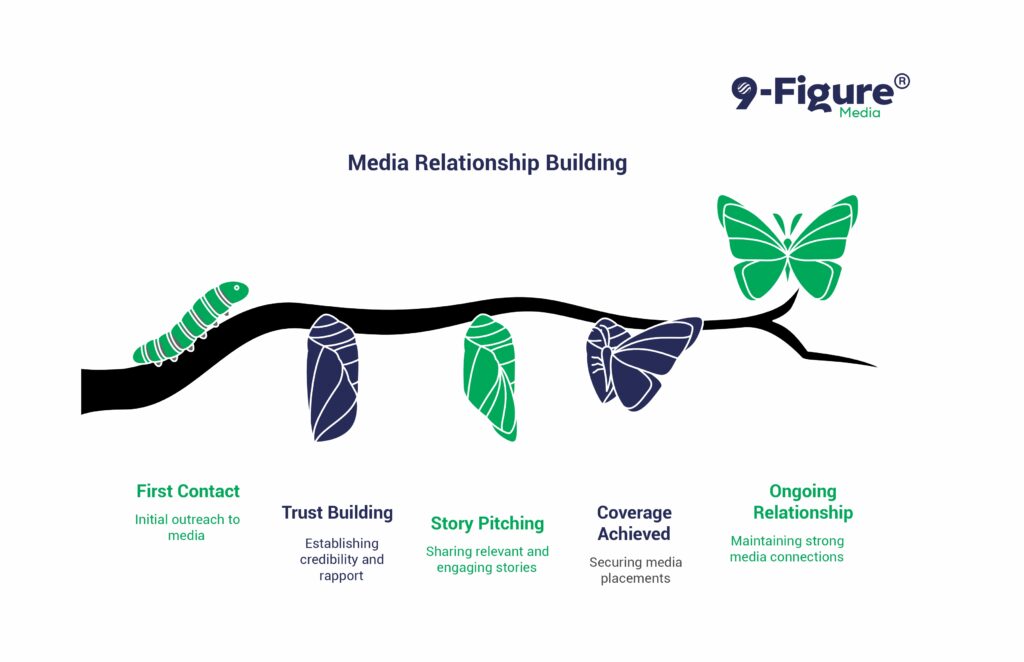
Management in public relations requires patience and sustained investment in relationship development activities. Quick wins rarely create lasting partnerships that generate consistent coverage opportunities. Long-term thinking differentiates successful brands from competitors seeking immediate results.
The process of building and utilizing beneficial professional relationships takes months or years to develop fully. Early investments in relationship building compound over time through increased coverage opportunities and enhanced brand positioning. Patience produces superior results compared to aggressive short-term tactics.
Maintain relationships during periods when you don’t need immediate coverage. Regular communication and value sharing keep your brand visible when story opportunities arise. Dormant relationships require more effort to reactivate than continuously maintained connections.
Invest in professional development opportunities that enhance your industry expertise. Speaking engagements, research publications, and thought leadership content position your brand as a valuable media source. Enhanced expertise makes journalists more likely to seek your commentary.
Management in public relations includes succession planning for key media relationships. Train multiple team members to maintain important journalist connections. This redundancy protects relationships when personnel changes occur within your organization.
A 9-Figure Media client exemplifies long-term relationship building perfectly. They maintained consistent communication with Inc. magazine journalists for three years. This investment resulted in quarterly features that generated millions in business value.
Media relations and public relations integration require coordinating multiple touchpoints and communication channels. Social media engagement, email communication, and in-person meetings should reinforce consistent messaging and relationship-building goals.
Secret 10: Evaluate and Refine Your Media Relations Strategies
Continuous improvement drives media relations strategies over time. Regular evaluation identifies successful tactics while highlighting areas needing adjustment. Data-driven refinements optimize resource allocation and relationship-building efforts.
What are media relations metrics that matter most? Placement quality often exceeds quantity in terms of business impact generation. Premium publication features generate more credibility and lead generation than numerous low-tier placements.
Media relations strategy evaluation should include both quantitative and qualitative assessments. Relationship strength measurements complement placement statistics to provide comprehensive performance pictures. Strong relationships often predict future success better than historical metrics.
Survey your media contacts annually to understand their evolving needs and preferences. Industry changes affect content focus areas and story requirements continuously. Regular feedback helps align your strategy with journalists’ expectations.
Benchmark your performance against industry competitors and best practice standards. Industry reports and case studies provide context for evaluating your relative success levels. Competitive analysis identifies improvement opportunities and strategic gaps.
Ready to elevate your game? 9-Figure Media’s experts help brands develop tailored media relations strategy approaches that generate guaranteed results. Our proven methodologies transform relationships into consistent coverage opportunities.
Refinement Tools for Media Relations
- The basics of media writing: a strategic approach through content audit analysis
- Manager of media relations role definition and responsibility clarification
- Relationship mapping tools that visualize connection strength and interaction frequency
- Performance dashboards that track key metrics and trend analysis over time
- Communication workflow optimization that streamlines outreach and follow-up processes
Strategy refinement requires balancing relationship maintenance with new connection development. Allocate resources between nurturing existing relationships and expanding your media network strategically.
Case Studies in Successful Media Relations
Real-world success stories demonstrate these media relations strategies in action through measurable business results. The following anonymized examples showcase how strategic relationship building transforms brands into industry authorities.
Case Study 1: Tech Startup Transformation
A technology startup client applied authentic relationship-building strategies with Forbes and Bloomberg journalists over eighteen months. They focused on consistent communication and valuable industry insights sharing rather than aggressive pitch campaigns.
The corporate media relations approach included exclusive data sharing from their platform analytics. This information provided journalists with unique story angles about industry trends and consumer behavior patterns. Regular communication built trust and positioned executives as reliable sources.
Their public media relations strategy emphasized transparency about both successes and challenges. This honest approach resonated with journalists covering startup ecosystem developments. Authentic storytelling created compelling narratives that readers found engaging and credible.
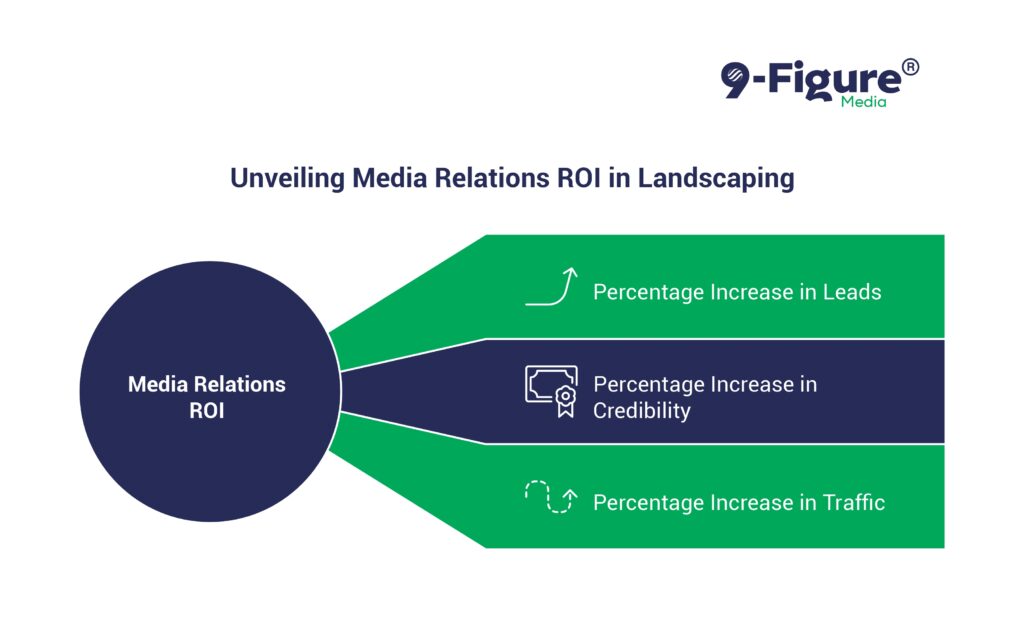
Results included guaranteed placements in Forbes technology section and Bloomberg innovation coverage. These features generated a 300% increase in website traffic and qualified lead generation. Why is media relations important became clear through measurable business growth metrics.
Case Study 2: Consumer Brand Evolution
An established consumer brand client revolutionized their approach to managing media relations through storytelling and strategic adaptation. They shifted from product-focused pitches to customer transformation narratives that journalists found compelling.
Their media relations and public relations integration involved coordinating between marketing, sales, and customer success teams. This collaboration provided authentic stories backed by verifiable data and customer testimonials. Cross-functional coordination enhanced story credibility and journalist confidence.
The brand’s adaptation strategy included monitoring journalists’ career changes and publication focus shifts. When key contacts moved between publications, they maintained relationships while adapting messaging for new audience preferences. This flexibility preserved valuable connections through industry changes.
Strategic storytelling secured features in the Wall Street Journal lifestyle section and Business Insider innovation coverage. These placements built massive credibility and inspired consumer trust in the brand. The importance of media relations manifested through increased brand recognition and sales conversion rates.
Key Takeaways and Transformation
These stories prove that strategic media relations plan implementation creates a measurable business impact. Authentic relationship building, consistent communication, and valuable content sharing generate lasting partnerships with influential journalists.
Successful brands invest time and resources in relationship development before expecting coverage returns. This patient approach creates stronger foundations than aggressive pitch campaigns that prioritize immediate results over long-term partnerships.
Corporate media relations success requires coordination between multiple departments and stakeholders. Marketing, sales, product development, and executive teams must align around consistent messaging and value proposition communication.
These case studies demonstrate that media relations and public relations integration amplify business growth through sustained visibility and credibility building. Brands that master these strategies dominate their competitive landscapes through superior media positioning.
Contact 9-Figure Media to start your success story with guaranteed placement strategies that transform relationships into consistent coverage opportunities.
Conclusion: Mastering Media Relationships for Enduring Success
These ten secrets form a comprehensive media relations strategy that transforms sporadic coverage into consistent press success. Authentic relationship building, strategic planning, and consistent communication create the foundation for long-term media partnerships. Transparency, storytelling, and mutual benefit focus strengthen these connections over time.
Strategic networking, continuous adaptation, and performance evaluation ensure your media relations approach evolves with industry changes. Long-term investment thinking and strategy refinement create sustainable competitive advantages that competitors cannot replicate quickly.
9-Figure Media leads the industry in helping brands secure guaranteed media placements in prestigious outlets. Our land features in USA Today, Vogue, Forbes, and Bloomberg through strategic relationship building and compelling storytelling approaches. We combine these proven secrets to build powerful reputations for entrepreneurs and executives.
Our comprehensive approach differentiates your brand while boosting credibility through consistent premium coverage. Whether you’re launching a startup or expanding an established business, these media relations strategies accelerate growth through enhanced visibility and trust-building.
Managing media relations requires expertise, patience, and strategic thinking that most internal teams lack. Professional guidance accelerates relationship development while avoiding costly mistakes that damage brand reputation permanently.
Invest in media relations today to unlock a future of press triumphs and business growth. The relationships you build now will generate coverage opportunities for years to come. Strategic media relationship development creates lasting competitive advantages that drive measurable business results.
Why wait? Contact 9-Figure Media for expert guidance on your media relations journey toward guaranteed press success and sustained business growth.