Introduction: Hidden Secrets of Successful Art Exhibition PR
I witnessed a small gallery transform overnight when their art exhibition PR strategy went viral. Effective art show press releases and compelling press releases for art exhibitions can make unknown artists famous, while strategic art exhibition press release techniques turn empty galleries into sold-out events.
This comprehensive guide offers expert insights, practical strategies, and real-world case studies to overcome the three key challenges of successful exhibition promotion: time constraints, lack of media contacts, and building a recognizable brand.
Gallery owners and independent artists often struggle with promotion, finding themselves torn between creating art and marketing it effectively.
The Three Major Art Exhibition PR Hurdles
Time Management Constraints in Art PR
Artists and curators frequently face the classic dilemma of balancing creation with promotion. Many creators prefer spending time perfecting their artwork rather than writing press releases for art exhibitions.
This creative focus often pushes art exhibition PR tasks to the last minute, creating unnecessary stress and rushed work. Exhibition preparation involves countless details from artwork placement to lighting design to catalog production.
These essential tasks often take precedence over developing art show press releases and media outreach.
Most galleries operate with limited staff, making the PR workload particularly challenging to manage. Small teams must handle everything from installation to sales while also creating compelling art exhibition press release materials.
Time bottlenecks typically occur four to six weeks before opening when promotional deadlines clash with final artwork completion. This timing crunch results in missed media opportunities and reduced exhibition visibility.
PR requires consistent attention rather than last-minute scrambling for optimal results. Establishing systems and templates for recurring PR tasks can save valuable time during exhibition preparation. Many galleries benefit from creating an artist press release template library they can quickly customize for each new show.
Building Media Relationships for Art Show Press Releases
Strong media connections significantly impact exhibition success through increased coverage and attendance. Publications receive hundreds of art exhibition press release submissions weekly, making personal connections crucial for standing out.
Cold outreach to journalists without established relationships typically yields disappointingly low response rates. Media professionals prioritize sources they know and trust when deciding which exhibitions deserve coverage.
Building meaningful relationships with art writers requires authentic engagement over time. Following journalists’ work, sharing thoughtful comments, and providing valuable information builds goodwill before asking for coverage.
Understanding each writer’s specific interests and beats helps tailor your press release for art exhibitions to their needs. Media professionals appreciate when galleries understand their coverage areas rather than sending generic pitches.
The relationship-building approach to art public relations focuses on long-term connections rather than transactional requests. Inviting writers to preview exhibitions or meet artists creates experiences that foster deeper connections.
These personal experiences often lead to more thoughtful coverage than standard art exhibition press release information would generate alone.
Establishing a Distinctive Brand Through PR for Artists
Brand consistency creates recognition and trust among collectors, curators, and media contacts. Every art exhibition PR element should reflect the artist’s or gallery’s unique vision and values.
Strong branding helps exhibitions stand out in crowded arts calendars and competitive media landscapes. Visual elements, writing tone, and promotional strategies should work together to express a cohesive identity.
PR amplifies artistic themes by connecting them to broader cultural conversations and trends. Effective art public relations translates complex artistic concepts into compelling stories for different audiences.
This translation helps viewers connect more deeply with the work and increases media interest. Strategic messaging positions artists within art historical contexts while highlighting their unique contributions.
Coverage in respected publications builds credibility that extends far beyond a single exhibition. Artists with strong PR for artists strategies develop name recognition that attracts future opportunities.
These mentions become valuable content for artist websites, social media, and future art exhibition press release materials. The cumulative effect of consistent coverage builds authority and visibility over time.
Read Also: How to Get Featured in an Art Magazine: An Editor’s Inside Guide
Pre-Event Art Exhibition PR Strategies (4-8 Weeks Before)
Crafting the Perfect Art Exhibition Press Release
A compelling press release for an art exhibition contains several essential elements that grab media attention. Strong headlines incorporating the exhibition name and a newsworthy angle generate immediate interest.
Clear exhibition details including dates, location, featured artists, and opening reception information provide crucial context. Concise artist statements and exhibition themes help writers understand the show’s significance and uniqueness.
Timing matters greatly when developing and distributing your art exhibition press release. Draft your release six weeks before opening to allow time for revisions and approvals.
Distribute the final version to media contacts four weeks before opening for optimal coverage timing. This schedule gives publications sufficient lead time while ensuring information remains current and accurate.
Let’s examine an art press release example that generated significant coverage:
“NEW EXHIBITION: Light & Shadow – Maria Chen’s First Solo Show Examines Climate Change Through Large-Scale Installations”
This headline succeeds by combining the artist’s name with a timely topic and specific medium. The first paragraph immediately established exhibition dates, gallery location, and opening reception details. Supporting paragraphs connected the work to current environmental discussions while highlighting unique artistic techniques.
Headlines that capture media attention typically include intriguing elements like controversy, celebrity, innovation, or local impact. Avoid generic announcements in favor of specific angles relevant to target publications. Your art exhibition press release should emphasize what makes this show newsworthy right now.
Media List Development for Art Show Promotion
Building an effective media list requires thorough research of publications covering your art genre. Start by identifying writers who regularly cover exhibitions similar to yours.
Research their recent articles to understand their interests and writing style. This information helps personalize your art show press release outreach for better response rates.
Organize contacts by tier based on publication reach and relevance to your exhibition. Top-tier national publications typically require longer lead times and more exclusive content.
Local arts reporters often appreciate personalized invitations and artist interview opportunities. Industry publications seek detailed information about techniques, materials, or historical connections.
Leverage existing connections within the art community to gain introductions to key writers. Gallery artists may have relationships with critics or feature writers you can build upon.
Arts organizations and educational institutions often maintain media relationships you can access through partnerships.
Begin building your targeted media list eight weeks before your exhibition opens. Make initial contact with priority media six weeks out, before sending your formal art exhibition press release.
This early outreach establishes relationships and alerts writers to upcoming opportunities.
Social Media Campaign Planning for Exhibition Buzz
Effective social media campaigns require selecting platforms that match your exhibition’s target audience. Visual platforms like Instagram work exceptionally well for most art exhibition PR campaigns.
Facebook events reach local community members and provide space for detailed exhibition information. Twitter conversations connect with art writers and cultural commentators covering your exhibition topic.
Develop a content calendar that builds anticipation through a strategic posting schedule. Begin with behind-the-scenes content showing exhibition preparation and the artist’s process.
Gradually reveal selected works and exhibition themes to create interest without showing everything. Increase posting frequency as opening night approaches, highlighting opening details and special events.
Prepare visual assets in advance to maintain consistent quality throughout your campaign. Professional photography of selected artworks forms the foundation of your visual content.
Artist interviews, installation process videos, and curator statements add variety and depth. Preview night content should be planned for immediate sharing during the event.
Start planning your social media campaign eight weeks before opening to ensure sufficient content development time.
Begin posting exhibition teasers six weeks before opening to build anticipation gradually.
Maintain consistent visual branding across all platforms to strengthen recognition and exhibition identity.
Read Also: How To Get Featured on Artist Weekly in 2025 – Guaranteed
Art Exhibition Website and Online Presence Optimization
Your exhibition landing page serves as the central information hub for media and visitors. Essential elements include a clear exhibition title, dates, location, and opening reception details.

Artist bios, exhibition statements, and high-resolution images provide context and visual interest. Include visitor information like hours, admission fees, directions, and accessibility details.
SEO considerations for art exhibition PR include using relevant keywords naturally throughout your content. Incorporate terms like art exhibition press releases, art show press releases, and artist names in page titles and descriptions.
Optimize image alt text with descriptive information about artworks and exhibition themes. Create shareable content that encourages links from other arts websites and blogs.
Your online press kit should contain downloadable resources for media convenience. Include the official press release for an art exhibition, high-resolution images with captions, and credit information.
Artist bios, curator statements, and exhibition catalogs provide valuable background information. Contact details for interview requests and additional materials should be prominently displayed.
Complete all website updates five weeks before opening to ensure information accuracy and search engine indexing.
Test all download links, contact forms, and ticket purchasing systems before announcing your exhibition.
Create URL tracking parameters to measure traffic sources from different PR initiatives.
During-Event Press Coverage Strategies for Art Shows
Media Day and Preview Events Management
Organizing an effective media preview creates space for quality coverage opportunities. Schedule your preview event 3-7 days before public opening for timely publication windows.

Send personalized invitations to priority media contacts 2-3 weeks in advance. Prepare press packets with your art exhibition press release, artist information, and high-resolution images on branded USB drives.
Create a press-friendly experience by establishing a quiet interview area away from crowds. Have artists, curators, and gallery directors available for scheduled interviews and casual conversations.
Offer exhibition tours highlighting key works and conceptual themes behind the show. Provide refreshments and comfortable viewing conditions for writers spending significant time with the work.
Coordinate photography permissions and lighting conditions for media photographers. Establish clear guidelines about flash photography and artwork restrictions up front.
Consider having professional installation shots available for publications with limited photography resources. Create visual photo opportunities featuring artists with their work for more engaging coverage.
Follow up with attending media within 48 hours to provide any additional materials requested. Send exhibition highlights to invited journalists who couldn’t attend the preview event. This thoughtful follow-up increases the likelihood of coverage from all invited contacts.
Social Media Content Creation During Art Exhibitions
Live posting during exhibition events captures the energy and builds FOMO among followers. Share opening night highlights, visitor reactions, and special moments as they happen.

Post-artist talks, curator tours, and interactive elements to showcase the full exhibition experience. Balance polished promotional content with authentic behind-the-scenes moments for greater engagement.
Engage with audience reactions by responding to comments and sharing visitor content. Create simple hashtags specific to your exhibition for easy content aggregation.
Feature insightful visitor comments and questions in your ongoing content strategy. This engagement transforms followers from passive viewers to active participants in your exhibition conversation.
Encourage user-generated content through interactive exhibition elements and photo opportunities. Create visually striking installation elements that naturally inspire visitor photography.
Position exhibition title signage and artist information to appear in visitor photos. Offer small incentives for sharing tagged content, like exhibition catalogs or print giveaways.
Maintain consistent posting throughout the exhibition run, not just during opening events. Feature different artworks, share press coverage, and announce upcoming related programs. This sustained presence keeps your exhibition in followers’ feeds throughout its duration.
On-site Press Management for Art Exhibition Coverage
Coordinate artist interviews efficiently to respect everyone’s time and energy. Prepare artists with potential questions and key points about their work and process.
Schedule interviews with adequate breaks to prevent fatigue during long media days. Create comfortable, quiet spaces with good lighting for video and audio recording.
Facilitate photography and filming by establishing clear guidelines and assistance. Provide media personnel with exhibition maps highlighting featured works and photo opportunities.
Assign staff members to assist with lighting adjustments and crowd management during filming. Offer technical specifications about artworks and installation details for accurate reporting.
Distribute press materials consistently throughout the exhibition, not just at opening events. Keep additional press kits available for unexpected media visits during the show’s run.
Update materials with recent coverage, visitor numbers, and upcoming related events. Maintain a press contact log to track which outlets have received materials and coverage status.
Be available to answer follow-up questions and coordinate additional visits as needed. Media opportunities often arise mid-exhibition as initial coverage generates further interest. Respond promptly to media requests to maintain momentum and positive relationships.
Post-Event Art Exhibition PR Tactics
Follow-up Strategies with Press Contacts
Send personalized thank-you notes to journalists who covered your exhibition within 48 hours. Reference specific aspects of their coverage that you appreciated or found insightful.
This prompt acknowledgment strengthens relationships for future art exhibition PR opportunities. Personal notes create goodwill that generic press releases cannot establish.
Provide additional materials and exclusive content to encourage continued coverage. Share behind-the-scenes stories, artist interviews, or visitor reaction data not included in the initial press release for the art exhibition.
Offer exclusive information about upcoming projects or artist developments following the exhibition. These extras give writers reasons to publish follow-up pieces about your show.
Maintain connection without overwhelming busy journalists with too many communications. Add media contacts to your regular newsletter with their permission for ongoing updates.
Invite key writers to other gallery events without explicit coverage expectations. These touchpoints maintain relationships between specific exhibition promotion cycles.
Begin your follow-up communications within 48 hours of media attendance or coverage publication. This timing shows appreciation while the exhibition remains fresh in journalists’ minds.
Continue relationship-building activities with selected contacts throughout the year for stronger future coverage.
Read Also: Top 10 Music PR Agencies to Skyrocket Artist in 2025
Leveraging Exhibition Reviews for Future PR
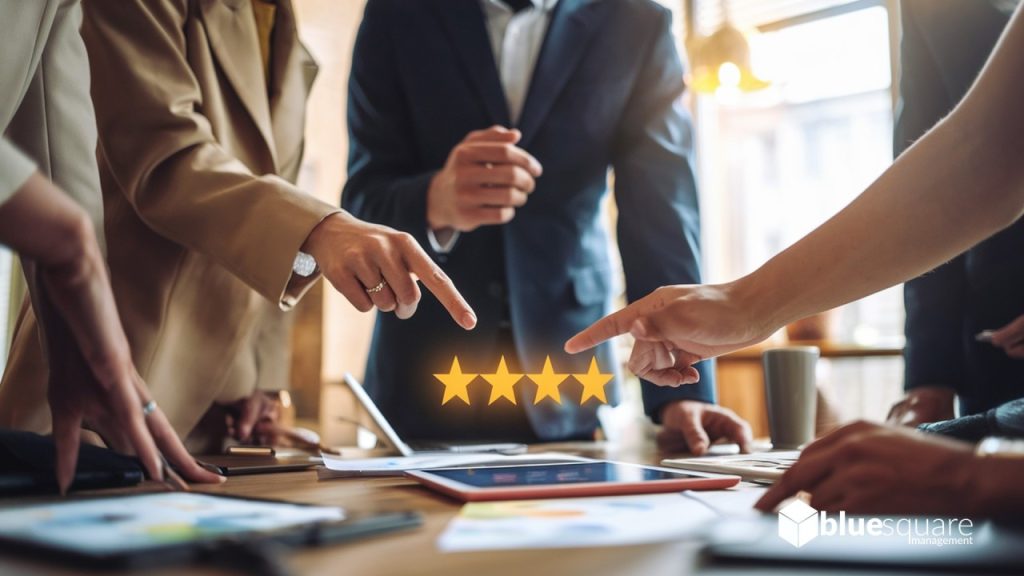
Amplify positive coverage through strategic sharing across multiple channels. Feature review quotes prominently on your exhibition website and social media accounts.
Include press mentions in your gallery newsletter with links to full articles when possible. Create a press coverage section in your online exhibition archive for long-term reference.
Respond to critical reviews professionally without becoming defensive about negative comments. Thank reviewers for their time and thoughtful engagement with the work.
Address factual errors directly with publications through proper channels, not public forums. Use constructive criticism as valuable feedback for improving future exhibitions and art exhibition PR strategies.
Create a system for monitoring reviews across various platforms and publications. Set up Google Alerts for exhibition name, artists, and gallery to catch online mentions.
Check social media platforms daily for visitor reviews and unofficial coverage. Review arts listing sites and community calendars for user comments and ratings.
Monitor for reviews most actively in the 1-3 weeks following your exhibition opening. Continue checking less frequently throughout the show’s run for delayed coverage. Document all mentions in a centralized system for future reference and analysis.
Documenting PR Success for Future Art Shows
Create a comprehensive PR report capturing quantitative and qualitative outcomes. Record media placement details including publication names, article dates, and estimated readership.
Track social media metrics including engagement rates, follower growth, and content sharing. Measure website traffic increases and exhibition page visit duration before and during the show.
Analyze which PR strategies delivered the strongest results for your specific exhibition. Review which art exhibition press release angles generated the most media interest.
Identify which social media content types earned the highest engagement from your audience. Note which media relationships resulted in the most valuable coverage for your goals.
Build on successful relationships by maintaining contact between exhibitions. Share occasional updates about artists featured in previous shows covered by specific writers.
Invite key media contacts to non-exhibition events like artist talks or gallery anniversaries. These ongoing connections make future art exhibition PR outreach more effective.
Complete your comprehensive PR analysis within two weeks of the exhibition closing while details remain fresh.
Share relevant insights with artists and team members to improve future promotion efforts.
Archive all press materials, coverage examples, and strategy notes for reference when planning your next show.
Case Study 1: “Instagram-Powered Exhibition Buzz”
Exhibition Profile
A contemporary photography collective presented works by emerging artists at a local venue with limited exhibition history. The artists were relatively unknown outside small photography circles and educational institutions. The gallery space was located away from main arts districts, creating additional visibility challenges.
PR Challenge
The exhibition faced significant hurdles including an extremely limited marketing budget under $500. The participating photographers lacked established media connections or previous exhibition coverage. The gallery’s location required extra effort to attract visitors from central arts districts.
Strategy Focus
The team developed a comprehensive social media campaign centered on Instagram with strategic influencer partnerships. They created a content strategy emphasizing behind-the-scenes processes and photographer stories. This approach leveraged the visual platform’s strengths while building personal connections with potential visitors.
Implementation Details
Each participating photographer conducted Instagram takeovers showing their creative process and exhibition preparation. These week-long features created consistent content while highlighting individual artistic voices. The exhibition developed a distinctive hashtag strategy combining established photography tags with unique exhibition identifiers.
The team produced an extensive behind-the-scenes content series documenting exhibition installation. This content humanized the artists while creating anticipation for the final presentation. Local photography influencers received private tours in exchange for authentic content sharing with their followers.
Quantitative Results
The opening night saw 300% higher attendance than the gallery’s previous average, with lines forming before doors opened. The campaign generated over 15,000 Instagram engagement actions including likes, comments, and saves. Visitors created 27 user-generated content pieces using exhibition hashtags within the first week.
Key Takeaway
The exhibition’s success demonstrated how visual storytelling drives organic reach when authentically presented. The photographers’ willingness to share their processes created deeper audience connections than polished final images alone. This personal approach transformed standard art exhibition PR into meaningful audience relationships and exhibition attendance.
Read Also: Political PR Secrets: What Campaign Managers Won’t Tell You
Case Study 2: “Press Release Group Show Triumph”
Exhibition Profile
A multi-artist sculpture exhibition featuring eight international artists presented works at an established gallery with global connections. The exhibition explored complex themes of displacement and belonging through diverse materials and approaches. The gallery had strong name recognition but needed to attract new audience segments.
PR Challenge
The exhibition faced the challenge of communicating complex artistic themes to mainstream media outlets. The diverse artist group lacked a simple unifying narrative for easy press packaging. The gallery needed to attract both serious collectors and general art enthusiasts to achieve attendance goals.
Strategy Focus
The team implemented a strategic press release for art exhibition distribution with a tiered media approach. They developed different messaging angles tailored to various publication types and reader interests. This customized approach allowed complex exhibition themes to reach diverse audience segments effectively.
Implementation Details
The gallery created a series of themed art exhibition press releases highlighting different aspects of the show. The first release focused on international artist participation in global arts publications.

The second emphasized innovative materials and techniques for design and technology outlets. The third highlighted local connections and community events for regional publications.
The team developed custom pitch angles for different media segments based on reader interests. Arts publications received scholarly information about conceptual frameworks and historical contexts.
Lifestyle magazines received content about the sensory visitor experience and event elements. News outlets received information about economic impact and cultural significance.
Quantitative Results
The campaign secured twelve media placements including features in two major international art publications. The exhibition experienced a 45% attendance increase compared to the gallery’s previous group shows. Three extended interviews with featured artists appeared in prominent cultural publications.
Key Takeaway
The strategic approach to press release distribution created sustained media momentum throughout the exhibition. Breaking content into themed releases prevented message dilution while maintaining press interest over time. This targeted approach demonstrates that a thoughtful art exhibition press release strategy outperforms generic mass distribution.
Case Study 3: “Media Outreach Contemporary Win”
Exhibition Profile
A mid-career artist presented their solo show at a respected commercial gallery with strong collector relationships. The artist had regional recognition but sought broader national attention for their work. The exhibition featured experimental mixed media works exploring environmental themes.
PR Challenge
The artist and gallery needed to position the exhibition for broader recognition beyond existing collector circles. The experimental nature of the work required careful explanation to encourage viewer engagement. The artist sought critical recognition to support career advancement opportunities.
Strategy Focus
The gallery implemented personalized media outreach focusing on relationship-building with key critics. They developed individual approaches for each target journalist based on previous coverage interests. This customized strategy prioritized depth of coverage over quantity of mentions.
Implementation Details
The gallery director arranged one-on-one meetings with key critics months before the exhibition opening. These conversations introduced the artist’s evolution and exhibition concepts without explicit coverage requests. The relationships developed naturally through shared artistic interests rather than transactional promotion.
Select journalists received exclusive preview access to studio visits and work development. This behind-the-scenes access created a deeper understanding of artistic processes and conceptual foundations. The gallery provided custom story angles highlighting aspects of the work matching each publication’s focus areas.
Quantitative Results
The exhibition received feature coverage in three major art publications reaching important industry decision-makers. Collector attendance increased 67% compared to gallery averages, with strong sales results. The exhibition generated five follow-up opportunities including residency invitations and curator interests.
Key Takeaway
The case demonstrates how personalized media relationships elevated the exhibition beyond standard promotional coverage. The investment in relationship-building created advocates rather than just coverage sources. This approach exemplifies how thoughtful PR for artists’ strategies creates career momentum beyond a single exhibition promotion.
Tracking Art Show PR Campaign Effectiveness
Attendance and Engagement Metrics
Accurate visitor counting provides foundation data for measuring exhibition success. Electronic methods like door sensors offer precise numbers for high-traffic exhibitions.
Sign-in books provide visitor demographics while building mailing lists for future shows. Regular staff reporting can track hourly attendance patterns to improve future event scheduling.
Engagement quality assessment looks beyond raw numbers to measure visitor experiences. Average viewing time indicates exhibition impact and visitor absorption with the work.
Conversation monitoring by floor staff captures common reactions and questions about the work. Visitor surveys provide structured feedback about exhibition elements and promotion sources.
Conversion tracking connects promotional efforts to tangible exhibition outcomes. Sales tracking identifies which PR channels attract serious collectors to the exhibition.
Commission opportunity documentation shows professional development results from coverage. Follow-up attendance tracks how exhibition visitors engage with future gallery programming.
Establish baseline metrics from previous exhibitions for meaningful comparison analysis. Track week-by-week trends throughout the exhibition run to identify promotional impact timing. Document weather conditions, competing events, and other external factors affecting attendance patterns.
Media Coverage Analysis for Art Exhibitions
Quantitative measures provide objective data about media reach and response volume. Track total mentions across publication types from preview announcements through post-show reviews.
Measure feature depth through word count, image inclusion, and prominence within publications. Count interview opportunities, studio visits, and journalist attendance at events.

The qualitative assessment examines the content and impact of coverage beyond simple mention counting. Analyze coverage tone ranging from descriptive to critical to enthusiastically supportive.
Assess the depth of engagement with artistic concepts versus surface-level event listing information. Evaluate audience reach considering publication readership demographics and influence levels.
Several tools simplify media monitoring for exhibitions with limited staff resources. Google Alerts provides free basic tracking for exhibition and artist name mentions online.
Social listening platforms identify exhibition discussions beyond official media coverage. Media contact management systems track outreach efforts and response rates for future planning.
Document both expected and unexpected coverage sources throughout the exhibition. Compare actual results with initial media outreach targets to refine future strategies. Identify which art exhibition press release elements generated the most media traction and interest.
Social Media Impact Measurement
Effective measurement looks beyond simple follower counts to engagement quality. Track comment sentiment and conversation depth on exhibition-related posts.
Measure content sharing rates showing how visitors amplify your exhibition messaging. Analyze hashtag adoption rates by visitors and non-gallery accounts.
Use Google Analytics to connect social media efforts to concrete website actions. Track traffic sources showing which platforms drive most exhibition page visits.
Measure referral quality through page depth, time on site, and event registration conversions. Set up goal tracking for specific actions like exhibition RSVP or catalog downloads.
Several dashboard options simplify complex social media data tracking and analysis. Platform-specific analytics provide detailed engagement metrics for organic and paid content.
Third-party tools allow cross-platform comparison and competitor benchmarking. Custom dashboard creation focuses measurement on your specific exhibition goals.
Establish measurement schedules for consistent data collection throughout campaigns. The weekly analysis identifies trends requiring prompt strategy adjustments during the exhibition. Post-exhibition comprehensive review informs future social media approach and budget allocation.
Long-term Brand Building Assessment
Track reputation growth metrics showing momentum beyond individual exhibition success. Monitor artist mention frequency in industry publications and critical conversations. Track invitational opportunities stemming from exhibition visibility and coverage. Measure curriculum vitae impact through exhibition prestige and critical recognition.

Several indicators demonstrate growing gallery and artist recognition over time. Measure unsolicited media inquiry increases showing growing press relationships. Track speaking and writing invitation numbers stemming from perceived industry expertise. Monitor academic and educational citation frequency in scholarly contexts.
Build a comprehensive PR portfolio documenting coverage across exhibitions and years. Organize press mentions chronologically to demonstrate growing momentum and recognition. Include qualitative improvements in coverage depth and publication prestige over time. This documentation supports funding applications, partnership proposals, and artist career advancement.
Conduct annual brand audit examining messaging consistency and public perception alignment. Survey regular gallery visitors about brand perception and exhibition expectations. Review all communication materials for voice consistency and values alignment. This systematic approach transforms individual art exhibition PR successes into sustainable reputation building.
Frequently Asked Questions About Art Show Press Releases
Q: What makes a good art exhibition press release?
An effective art exhibition press release combines a compelling headline, clear exhibition details, an artist’s background, and a unique angle. It should be concise (400-500 words), include high-quality images, and offer something newsworthy that differentiates your exhibition from others.
Q: How can I find media contacts for my art show?
Build media relationships by researching arts writers in your area, following their work, and engaging authentically on social platforms. Utilize media databases, attend press events, and consider specialized art public relations services that maintain current media lists. Always personalize outreach based on a journalist’s previous coverage and interests.
Q: What’s the best way to budget for art exhibition PR?
Allocate 15-20% of your total exhibition budget for PR activities, prioritizing high-impact elements like professional photography, targeted media outreach, and social promotion. For limited budgets, focus on one strong strategy rather than diluting efforts across many channels.
Q: How do I manage time for PR tasks while preparing an exhibition?
Create a PR timeline beginning 8 weeks before opening, breaking tasks into 30-60 minute daily segments. Prioritize relationship-building activities early and content creation when artwork is finalized.
Q: When should I send out my art exhibition press release?
For optimal coverage, distribute your press release for the art exhibition 3-4 weeks before opening, with follow-up pitches 2 weeks prior. Send exclusive previews to priority media 5-6 weeks in advance
Elevating Your Art Exhibition Through Strategic PR
Successful art exhibition PR requires understanding three foundational elements: strategic timing, relationship cultivation, and consistent brand messaging. Breaking large promotional tasks into systematic workflows prevents last-minute scrambling and quality compromises. Building genuine media relationships transforms impersonal press release distribution into meaningful coverage opportunities. Consistent brand presentation across all materials creates recognition that extends beyond individual exhibitions.
Your exhibition can inspire and captivate audiences when supported by thoughtful promotion strategies. The right PR approach transforms artistic vision into a cultural conversation that resonates beyond gallery walls. The most successful exhibitions balance artistic integrity with strategic communication to reach their intended audiences effectively. This balance requires understanding both artistic value and promotional techniques.
The connection between strategic PR and artistic mission remains essential for exhibition success. Promotion should amplify artistic voice rather than overshadowing or distorting it. When PR authentically represents exhibition concepts, it attracts visitors prepared to engage meaningfully with the work. This alignment creates exhibitions that succeed both artistically and practically.
Take Your Art Exhibition PR to the Next Level
9-Figure Media provides guaranteed publicity on major news outlets for art exhibitions of all sizes. Our specialized team understands the unique promotional needs of gallery exhibitions and independent artist showcases. We transform complex artistic concepts into compelling media stories that generate attendance and recognition. Our established media relationships ensure your exhibition receives attention from appropriate publications and writers.
Limited consultation slots remain available for upcoming exhibition seasons as our calendar fills quickly. Our art specialists work with a select number of exhibitions each season to ensure personalized attention. Early planning allows the integration of PR strategy with exhibition development for maximum impact. Secure your consultation now to develop your promotional timeline for upcoming shows.
Contact 9-Figure Media today to secure your exhibition’s spotlight and transform your artistic vision into headlines. Our team specializes in creating custom art exhibition PR strategies that respect artistic integrity while driving results. We build comprehensive promotional plans incorporating traditional media, digital platforms, and community engagement. Your exhibition deserves the audience attention that strategic PR can deliver.