
Introduction
Want to learn how to get featured in art magazine publications that matter? The truth about art magazine submission goes far beyond creating beautiful work. Your talent deserves recognition, but editors receive hundreds of pitches weekly.
Most artists believe their portfolio speaks for itself. This assumption costs them valuable art magazine exposure opportunities. Established artists often reach a frustrating plateau when targeting prestigious international publications.
The difference between featured artists and overlooked talent? A strategic media approach that positions art within a compelling narrative framework. Top-tier PR agencies use these exact methods to secure placements in Vogue and Forbes.
These same strategies work for the art world. This guide reveals 10 insider secrets that transform your approach from hopeful submission to guaranteed consideration. 9-Figure Media has perfected this methodology through countless successful placements in leading international publications.
Your art deserves the spotlight. These strategies will help you claim it.
Secret #1: Shift Your Mindset from Artist to Storyteller
Stop thinking like a creator and start thinking like a media professional. Editors don’t just buy art—they buy stories that captivate their readers. Your portfolio showcases skill, but your narrative creates connection.
Most artists fail before they even submit. They lead with technique instead of meaning. This approach gets ignored every time.
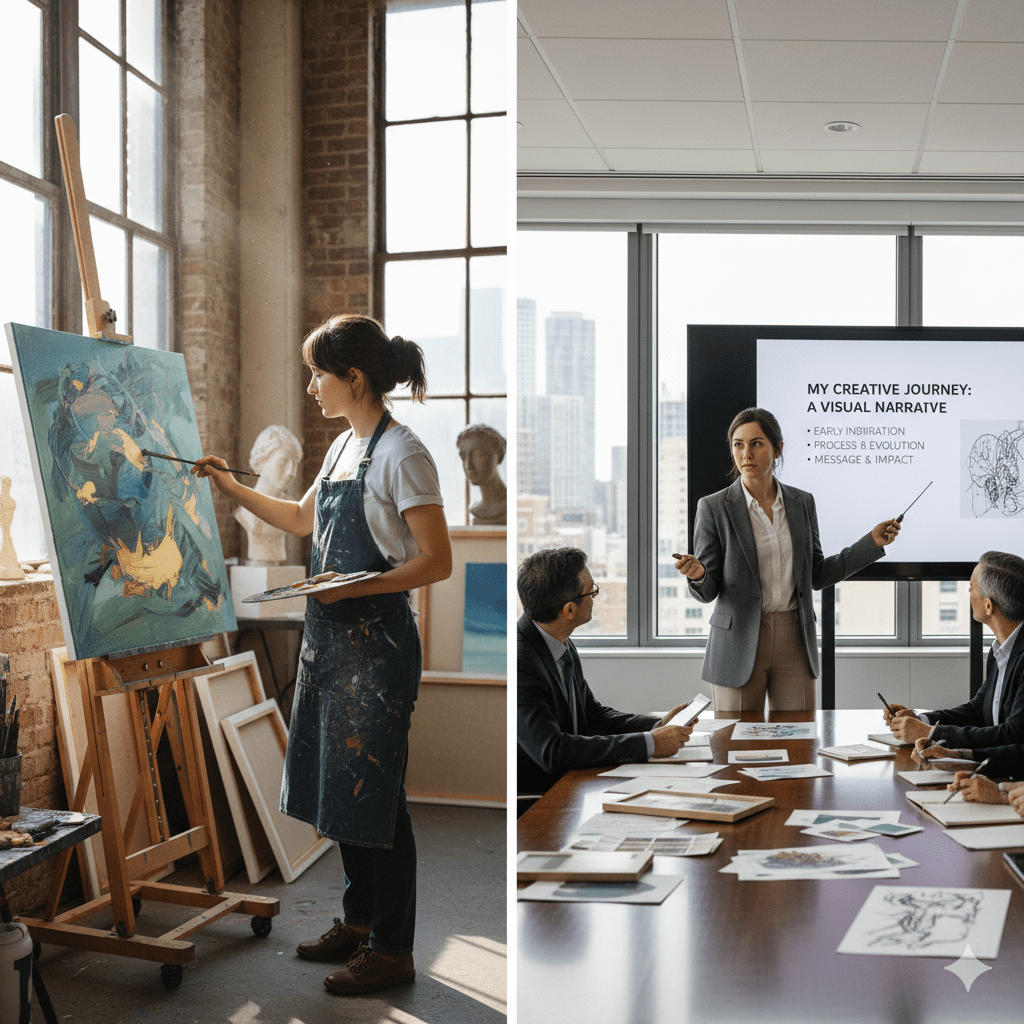
Why “Great Art” Isn’t Enough to Get Featured in an Art Magazine
Editors scan through dozens of submissions daily. Beautiful work blends after the first few portfolios. They need a reason to stop scrolling and pay attention.
Your technical mastery matters, but context matters more. What drives your creative process? What problem does your art address? Why should readers care about your perspective?
The common mistake kills most pitches instantly. Artists send perfect images with generic cover letters. They describe their medium and training instead of their vision.
Magazines publish stories about people, not just pictures. Your art becomes the visual evidence supporting your larger narrative. Think like a journalist telling your own story.
Great art without context becomes wallpaper. Context without great art lacks credibility. You need both working together to secure art magazine exposure.
Crafting Your Core Narrative for Maximum Art Magazine Exposure
Start by identifying what makes your journey unique. Did you overcome a specific challenge? Do you explore themes others avoid? Does your process involve unusual techniques or materials?
Your story should connect your personal experience to universal themes. Editors want narratives that resonate beyond the art world. Think about broader cultural conversations your work addresses.
Write down three pivotal moments that shaped your artistic vision. Then connect these moments to your current body of work. Finally, find the through-line that ties everything together.
Exercise: Define your story in one sentence. This becomes your elevator pitch. “I create [type of art] that explores [theme] through [unique approach] because [personal reason].”
Test this sentence on friends outside the art world. Can they understand and remember it? If not, simplify further until anyone can grasp your core message.
Secret #2: Decode the Magazine’s DNA Before You Submit
Generic submissions get deleted immediately. Personalized pitches get read and considered. The difference lies in understanding each publication’s unique identity and preferences.
Editors spot mass submissions instantly. They want artists who specifically chose their magazine for strategic reasons.
Analyzing Editorial Vision to Get Featured in an Art Magazine
Buy or download the last six issues of your target magazine. Study every featured artist carefully. What themes appear repeatedly? Which art styles dominate? What makes each featured story unique?
Read the masthead and identify key editors by name. Research their backgrounds and previous work. Many editors have personal social media accounts showcasing their aesthetic preferences.
Mission statements reveal a magazine’s values and target audience. Look for this information on their website or in the editorial section. Then align your pitch with these stated values.
Create a spreadsheet tracking patterns across issues. Note preferred art movements, career stages of featured artists, and story angles used. This research pays off when crafting your targeted pitch.
The magazines you admire have clear preferences. Your job involves discovering these preferences before submitting. Otherwise, you’re shooting arrows blindfolded, hoping to hit the target.
Understanding Unspoken Submission Guidelines for Art Magazines
Written submission guidelines for art magazines tell you the minimum requirements. Unspoken rules determine who actually gets published. These invisible standards separate accepted from rejected submissions.
Notice the length of featured artist profiles. Some magazines prefer brief spotlights while others publish long-form profiles. Match your pitch to their typical format.
Pay attention to the tone of published articles. Is the writing formal or conversational? Does it focus on artistic philosophy or practical process? Mirror this tone in your communication.
Social media activity reveals additional clues about magazine culture. Notice which posts get highlighted and shared. These signals show what content resonates with their editorial team.
The best submissions feel like they were written specifically for that magazine. Because they were. Generic pitches reveal lazy research and get treated accordingly.
Secret #3: Build a Flawless Art Portfolio for Magazine Submission
Your art portfolio for magazine submission represents your professional identity. Editors judge your entire career based on these carefully selected pieces. Every image needs to serve a strategic purpose.
Random collections confuse editors about your artistic identity. Focused portfolios command attention and respect.
Curating a Cohesive Series, Not Just a Collection
Present a unified body of work that tells a visual story. Each piece should relate to the others through theme, technique, or concept. This creates a memorable impression that sticks with editors.
Select 10-15 pieces that showcase your strongest work within a specific theme. Remove pieces that don’t fit, even if you love them. Your goal is cohesion, not comprehensiveness.
Arrange your portfolio to create a visual journey. Start strong, build momentum, and end with your most powerful piece. The order matters as much as the selection.
Think about transitions between images. Do they flow naturally? Does each piece build on the previous one? Your portfolio should feel intentional, not arbitrary.
A cohesive series demonstrates artistic maturity and vision. It shows editors you think in terms of concepts, not just individual works. This separates professionals from hobbyists instantly.
The Technical Must-Haves for Your Online Art Magazine Submission
Poor image quality destroys otherwise strong submissions. Editors need high-resolution files that showcase your work accurately. Invest in professional photography or learn to shoot your work properly.
File naming matters more than most artists realize. Use descriptive names like “LastName-Title-Medium-Year.jpg” instead of “IMG_3847.jpg”. This professionalism doesn’t go unnoticed by busy editors.
Your website should load quickly and display images beautifully. Mobile optimization is essential since editors often review submissions on their phones. Test your site on multiple devices.
Choose a clean, simple portfolio platform that highlights your art. Avoid flashy templates that distract from your work. Let your art be the star of the show.
Include basic information with each piece: title, medium, dimensions, and year. Keep descriptions brief unless the magazine specifically requests detailed statements. Too much text overwhelms the visual experience.
Related: How to Get Featured in an Art Magazine: An Editor’s Inside Guide
Secret #4: Master the Art of the Query Letter
Your pitch email determines whether editors open your portfolio. Most query letters get deleted within seconds. Yours needs to grab attention immediately and hold it.
The best pitches follow proven formulas used by successful authors getting published in art publications.
Writing a Pitch That Commands Attention
Your subject line must be specific and intriguing. Try “[Your Name] – [Your Unique Angle] for [Magazine Name]” or “[Specific Theme] Artist Seeking Feature”. Avoid generic subjects like “Submission” or “Feature Request”.
Open with a hook that connects your story to current cultural conversations. Reference a recent article in the magazine that relates to your work. This shows you actually read the publication.
Your bio should be one paragraph maximum. Focus on accomplishments relevant to this specific magazine. Skip the complete career history and highlight what matters most to their readers.
End with a clear call to action. “May I send you my portfolio for consideration?” or “Would you be interested in learning more about this project?” Make responding easy for the editor.
Template: “Dear [Editor Name], I noticed your recent feature on [specific article]. My work exploring [theme] through [medium] offers a fresh perspective on [related topic]. [One sentence bio with notable achievement]. May I send you my portfolio?”
How to Get Noticed by Art Magazines with Your Personalization
Generic pitches reveal that you’re mass-emailing every magazine simultaneously. Personalized pitches show genuine interest in that specific publication. Editors appreciate and respond to this difference.
Reference a specific editor’s previous work or curatorial choices. Quote a line from a recent article that resonated with you. Explain why your work fits their editorial vision specifically.
Connect your artistic themes to recent features in the magazine. Show that your work continues or expands conversations they’re already having. This makes you relevant rather than random.
Follow the editor on social media before pitching. Engage genuinely with their posts. When you do pitch, mention this authentic connection. Relationships matter in the art world.
Personalization takes time but delivers results. One targeted pitch outperforms fifty generic submissions. Quality always beats quantity in how to get noticed by art magazines.
Secret #5: Leverage Art Magazine Open Calls Strategically
Art magazine open calls provide valuable opportunities for emerging and established artists. But not all open calls deserve your time. Strategic selection makes the difference between exposure and wasted effort.
Treat open calls as one tool in your larger publicity strategy.
Finding the Right Open Calls for Your Art Magazine Exposure Goals
Start with reputable aggregator sites like Submittable, Artwork Archive, and professional art organizations. These platforms vet opportunities and flag suspicious listings. They save you time and protect your work.
Join artist communities on social media where members share legitimate opportunities. Fellow artists often warn others about problematic calls or highlight particularly good ones. This collective knowledge protects everyone.
Research the organization behind each open call. Check their website, past exhibitions, and artist testimonials. Legitimate opportunities come with transparent information about the selection process and outcomes.
Skip open calls requiring expensive submission fees unless the magazine has proven credibility. Some publications use fees to generate revenue rather than discover talent. Your money deserves better investment.
Target open calls that align with your established narrative and artistic vision. Random applications dilute your professional brand. Focused applications build a coherent career trajectory.
Submitting to Open Calls That Align with Your Narrative
Read the call requirements carefully before investing time in an application. Does your work fit the stated theme? Do you meet the eligibility criteria? Wishful thinking wastes everyone’s time.
Check the publication’s previous open call winners. Do their styles and themes match yours? If the magazine consistently features abstract painting, your photography faces an uphill battle.
Look at the judges and editorial team. Research their backgrounds and preferences. This information helps you tailor your submission to their aesthetic values. Knowledge creates advantage.
Submit your strongest work that specifically addresses the theme. Create new pieces if necessary rather than forcing existing work into an incompatible framework. Authenticity beats convenience every time.
Follow all technical specifications exactly. File size, format, naming conventions, and submission portal instructions matter. Ignoring details signals unprofessionalism and gets your work dismissed immediately.
Secret #6: Develop a Professional Artist Press Kit
A professional artist’s press kit positions you as a serious professional worth covering. Editors love artists who make their jobs easier. Your press kit should answer every question before they ask.
Think of your press kit as your career in a package.
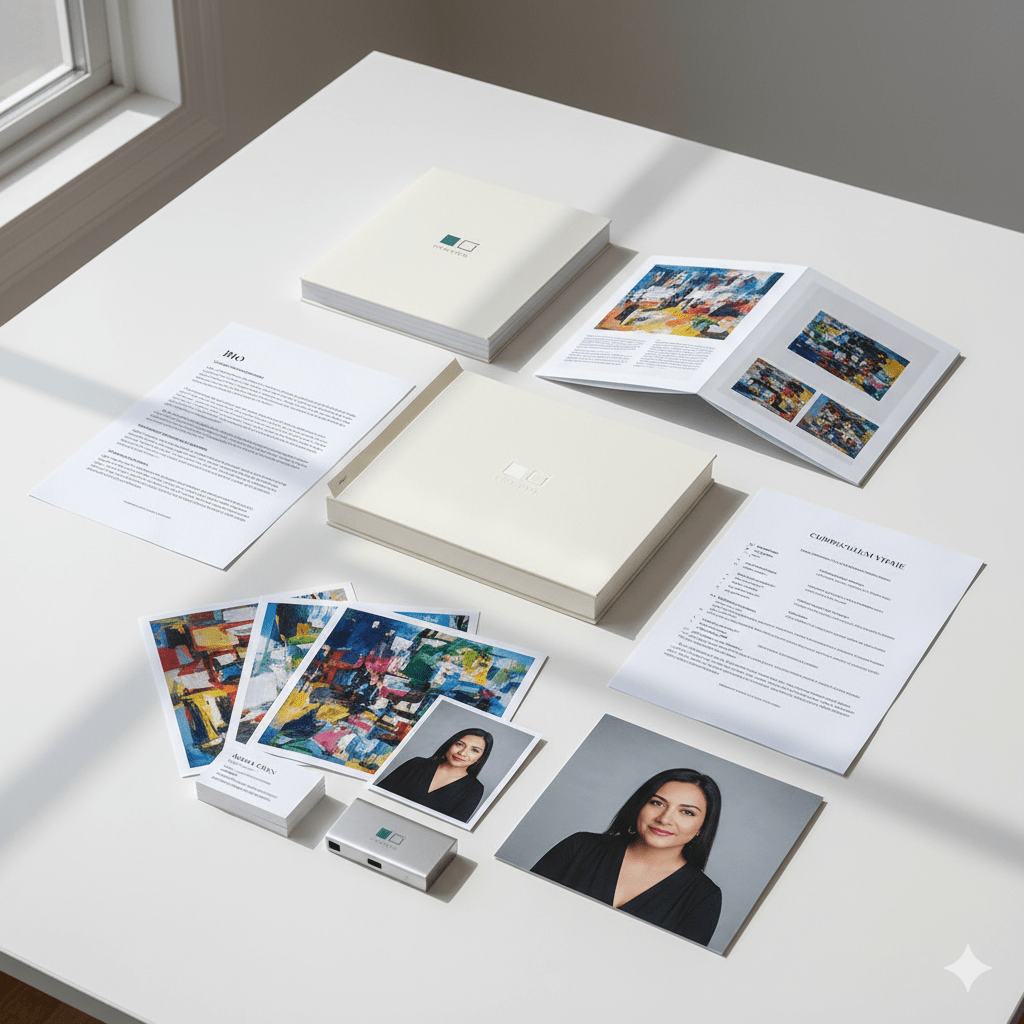
The Essential Components of a Magazine-Ready Press Kit
Your bio should be three versions: 50 words, 100 words, and 250 words. Different publications need different lengths. Having options ready shows professionalism and saves editors time editing your copy.
An artist statement explains your creative vision in accessible language. Skip art school jargon and speak to general readers. Your grandmother should understand what you’re trying to communicate through your work.
Include 10-15 high-resolution images of your best work. Provide both web-optimized and print-quality versions. Label files clearly and include an image list with titles, dimensions, and mediums.
Your CV should emphasize exhibitions, publications, awards, and collections. Organize chronologically with the most recent accomplishments first. Keep formatting clean and easy to scan.
Press clippings prove your media worthiness. Include PDFs of previous features, reviews, or mentions. Even small local coverage builds credibility when approaching larger publications.
Contact information seems obvious, but gets overlooked. Include email, phone, website, and relevant social media handles. Make yourself easy to reach when editors want to follow up.
How Your Press Kit Streamlines the Art Magazine Submission Process
Editors juggle dozens of stories simultaneously. Artists who provide complete, organized materials get prioritized. Your press kit eliminates friction in the editorial process.
When editors pitch your story internally, your press kit supplies everything they need. They don’t waste time chasing missing information or asking follow-up questions. Efficiency matters in busy newsrooms.
Your press kit lives on your website as a downloadable PDF. Include the link in every pitch email. Interested editors can access everything immediately without waiting for you to respond.
Update your press kit quarterly with new accomplishments and images. Fresh materials reflect an active, growing career. Stale information suggests stagnation and reduces editor interest.
Professional presentation signals professional career management. Editors trust artists who understand media workflows. This trust translates directly into increased artist publicity and exposure opportunities.
Secret #7: Cultivate a Network, Not Just a Contact List
Real connections open doors that cold emails can’t. Artist publicity and exposure grow through authentic relationships built over time. Your network becomes your greatest asset for long-term success.
Networking isn’t manipulation when done with genuine interest and generosity.
Building Genuine Relationships for Long-Term Artist Publicity and Exposure
Provide value before asking for anything. Share articles relevant to someone’s interests. Introduce people who should know each other. Support their work publicly on social media.
Gallery owners, curators, and fellow artists often have editorial connections. They might know editors personally or understand publication preferences. These insider insights prove invaluable when targeting specific magazines.
Attend art openings, panels, and industry events regularly. Show up consistently and engage authentically with others. Meaningful relationships develop through repeated interactions, not one-time meetings.
Remember details about people’s work and interests. Follow up on previous conversations. Send congratulations when they achieve something notable. Small gestures build trust over time.
When you do ask for introductions or advice, be specific and respectful. Make requests easy to fulfill. Always thank people for their time and keep them updated on outcomes.
Engaging with Magazines on Social Media
Follow your target magazines on Instagram, Twitter, and LinkedIn. Study their posting patterns and engagement style. Then participate in their online community thoughtfully and consistently.
Comment on posts with substance, not just emoji reactions. Share their content with your own thoughtful additions. Tag them when appropriate, but avoid spamming their feeds.
Direct message should never be your first interaction. Build familiarity through public engagement first. When you do reach out privately, reference previous interactions to establish context.
Many magazines run Instagram features or Twitter challenges. Participate in these opportunities to get on their radar. Consistent participation builds name recognition with their editorial team.
Social media engagement works slowly but effectively. You’re building awareness and goodwill over months. When you eventually pitch, you’re not a stranger anymore.
Secret #8: Optimize Your Entire Online Presence
Editors always research artists before featuring them. Your digital footprint needs to support your pitch narrative. Inconsistencies raise red flags while cohesion builds confidence.
Art business marketing for artists starts with controlling your online reputation.
Art Business Marketing for Artists: Your Digital Footprint
Your website should match the professionalism of your press kit. Clean design, fast loading, and mobile optimization are non-negotiable. First impressions happen before editors read a single word.
Instagram, LinkedIn, and your website should tell the same story. Use consistent imagery, tone, and biographical information across all platforms. Conflicting narratives confuse editors and damage credibility.
Implement basic SEO on your website so editors can find you through search. Use your name, artistic focus, and location in page titles and descriptions. Write blog posts about your process and exhibitions.
Create Google Alerts for your name to monitor your online presence. Address any negative or inaccurate information promptly. Your reputation requires active management, not passive hoping.
Share content that positions you as a thoughtful artist, not just a product seller. Post about your process, inspirations, and artistic philosophy. Balance promotional content with genuine value for followers.
Why a Consistent Online Persona is Key to Getting Published as an Artist
Editors check Instagram before responding to pitches. Your feed should reinforce your professionalism and artistic vision. Random personal posts dilute your brand and confuse your narrative.
How to get published as an artist depends partly on presenting a coherent professional identity. Mixed messages make editors uncertain about your reliability and focus. Clarity builds confidence.
Your LinkedIn profile should emphasize professional accomplishments and connections. This platform is where editors verify your credibility and industry standing. Treat it as your professional resume.
Remove or hide content that conflicts with your professional image. Old posts or controversial opinions might alienate editors or readers. Your online presence should support your goals, not sabotage them.
Professional consistency doesn’t mean being boring. It means ensuring every public element reinforces your core artistic identity. Strong brands are coherent, not contradictory.
Secret #9: Time Your Submissions Like a Media Pro
Timing determines whether your pitch gets read or ignored. Magazines work months ahead of publication. Understanding editorial calendars gives you a significant advantage over artists who submit randomly.
Strategic timing multiplies your chances of acceptance dramatically.
Navigating Editorial Calendars and Deadlines
Most magazines plan issues 3-6 months in advance. Find their editorial calendar on their website or media kit. This document reveals upcoming themes and submission deadlines.
Match your pitch to planned themes whenever possible. If a magazine is planning a feature on sustainable art practices, pitch your eco-friendly process then. Relevance to their existing plans improves acceptance rates.
Avoid pitching during major holidays or summer vacation periods. Editors are understaffed and overwhelmed during these times. Your submission gets lost in the chaos.
The best submission windows are January-February and September-October. These periods represent new planning cycles when editors need fresh content ideas. Your pitch arrives exactly when they’re most receptive.
Follow each magazine’s stated submission timeline religiously. Late submissions demonstrate unprofessionalism and disrespect for their process. Early submissions show enthusiasm but risk getting buried under later arrivals.
The Follow-Up Strategy That Increases Your Chances of Getting Published in Art Publications
Wait 2-3 weeks before following up on submissions. Editors need time to review materials and discuss internally. Premature follow-ups annoy rather than help your cause.
Your follow-up email should be brief and polite. “Following up on my submission from [date] about [topic]. Happy to provide additional information if helpful.” Then stop. Don’t plead or pressure.
If you don’t hear back after the follow-up, move on. Persistence becomes harassment after two contacts. Your energy is better spent on new opportunities with responsive publications.
When you do receive rejections, respond graciously and ask for feedback if appropriate. “Thank you for considering my work. If you have any suggestions for improving future submissions, I’d appreciate the guidance.”
Maintain positive relationships even after rejection. Editors remember professional behavior. Your next submission might arrive at the perfect moment. Burned bridges never rebuild easily.
Secret #10: Treat Your Career as a Brand
Successful artists think beyond individual pieces or exhibitions. They build recognizable brands that transcend any single work. This mindset shift transforms your approach to publicity and career development.
Your brand is your professional reputation and market position.
Moving from Artist to Icon: The Ultimate Goal of Art Magazine Exposure
Consistent features in quality publications build a reputation that compounds over time. Each feature increases your credibility and makes the next feature easier to secure. This momentum creates a career transformation.
International magazines notice artists who maintain a steady media presence. They don’t discover unknown talents randomly. They feature artists who have already demonstrated media appeal and professional reliability.
Your brand should be immediately recognizable to industry insiders. When someone mentions your name, people should instantly know your focus and style. This recognition takes years of consistent effort.
Think about artists you admire. Their names evoke specific themes, techniques, or philosophies. Your goal is to create this same immediate association. Brand clarity makes you memorable and referable.
Fame isn’t the goal, but recognition within your target audience is. Focus on becoming the go-to artist for specific themes or approaches. Specialization creates opportunities better than generalization ever could.
Integrating Artist Publicity and Exposure into Your Overall Art Business Marketing
Media features should support your business goals, not exist separately. Each publication should connect to your sales strategy, exhibition plans, or collector development. Strategic integration multiplies results.
Art business marketing for artists requires treating publicity as an investment, not vanity. Track which features drive website traffic, inquiries, and sales. Double down on publication types that deliver measurable results.
Build media mentions into your marketing materials. Feature press logos on your website. Quote reviews in your artist statement. Each mention adds credibility to future pitches and sales conversations.
Create content around your features. Share behind-the-scenes stories about the interview process. Write blog posts expanding on topics covered in articles. Maximize every piece of coverage.
Long-term success comes from treating your career as a business requiring marketing, publicity, and strategic planning. Artists who embrace this mindset consistently outperform those who rely solely on talent.
Conclusion
These 10 secrets transform your approach from passive hoping to active strategizing. Success in getting published in art publications requires understanding media workflows and editor psychology. Talent matters, but strategy determines who gets featured.
The shift from artist to storyteller changes everything. Your narrative becomes as important as your art. Research and personalization separate your pitch from hundreds of generic submissions.
Professional materials and strategic timing multiply your success rate. Your press kit, portfolio, and online presence must work together seamlessly. Editors reward artists who make their jobs easier.
This strategic, PR-focused approach separates featured artists from overlooked talent. You now understand the methodology top agencies use to secure guaranteed placements. Implementation requires time, expertise, and consistent effort.
For established artists, executing this strategy at the highest level demands significant resources. This is where 9-Figure Media’s proven methodology becomes your ultimate advantage. We craft compelling narratives and secure features in the world’s most prestigious outlets.
Your art deserves recognition in top-tier international publications. Learn how we can craft your story and secure your feature in a top-tier international art magazine.
Ready to transform your publicity strategy? The choice is yours: implement these secrets yourself or partner with experts who guarantee results.