
Introduction: Breaking into Harper’s Bazaar Magazine
To get featured in Harper’s Bazaar Magazine is a career-defining milestone for fashion professionals and brands. Harper’s Bazaar Magazine, with its prestigious reputation and influential audience, can transform a brand’s visibility overnight, so if you’re wondering how to get your work onto the pages of Harper’s Magazine, or Harper’s Magazine Cover, you’re in the right place.
This comprehensive guide will walk you through the strategies, connections, and quality standards necessary to capture the attention of Harper’s Bazaar editors.
Understanding Harper’s Bazaar Magazine’s Legacy and Influence
The Storied History of Harper’s Bazaar Magazine
Harper’s Bazaar Magazine stands as one of fashion’s most enduring institutions. Founded in 1867, by Mary Louise Booth. It has maintained its position as a cultural touchstone for over 150 years. Unlike many publications that have come and gone, Harper’s Bazaar has continually evolved while preserving its commitment to sophisticated fashion journalism and visual excellence.
The magazine’s longevity isn’t coincidental, it stems from an unwavering dedication to quality and an ability to remain relevant across generations. Harper’s Bazaar editors aren’t simply looking for the next trending designer; they’re seeking contributors who understand the magazine’s heritage and can add to its storied legacy.
What Makes Harper’s Bazaar Magazine Different from Other Fashion Publications
Harper’s Bazaar distinguishes itself through its elegant aesthetic, intellectual approach to fashion, and celebration of luxury. Unlike publications that chase fleeting trends, Harper’s Bazaar Magazine emphasizes timeless style and substantive content. Its pages feature thoughtful interviews, cultural analysis, and artfully composed fashion editorials that transcend seasonal fads.
The magazine’s distinctive voice appeals to an educated, affluent readership that values quality over quantity .The reader profile plays a significant role in shaping editorial decisions regarding the brands and designers featured on the Harper’s Bazaar Magazine cover. Understanding this refined perspective is crucial when pitching your work to the magazine’s editorial team.

What Harper’s Bazaar Magazine Looks For
Editorial Standards and Aesthetic Preferences
Appearing in Harper’s Bazaar Magazine or Harper’s Bazaar Magazine Cover requires meeting exceptionally high standards. The magazine’s aesthetic leans toward sophisticated minimalism, artistic composition, and impeccable craftsmanship. Before submitting your work, study several recent issues of Harper’s Bazaar to internalize its visual language and storytelling approach.
The magazine favors content that feels both contemporary and timeless—fashion that makes a statement without shouting. Editorials often feature clean lines, architectural silhouettes, and thoughtful styling that elevates rather than overwhelms the featured pieces. This refined sensibility extends to photography, which typically demonstrates technical excellence, intentional lighting, and thoughtful composition.
Types of Content Featured in Harper’s Bazaar Magazine
Harper’s Bazaar Magazine encompasses diverse content categories, each with specific requirements:
Fashion Editorials: The cornerstone of Harper’s Bazaar, these visual stories require exceptional photography, professional models, and garments that demonstrate clear vision and expert execution. Editorial spreads typically follow a cohesive narrative or conceptual theme.
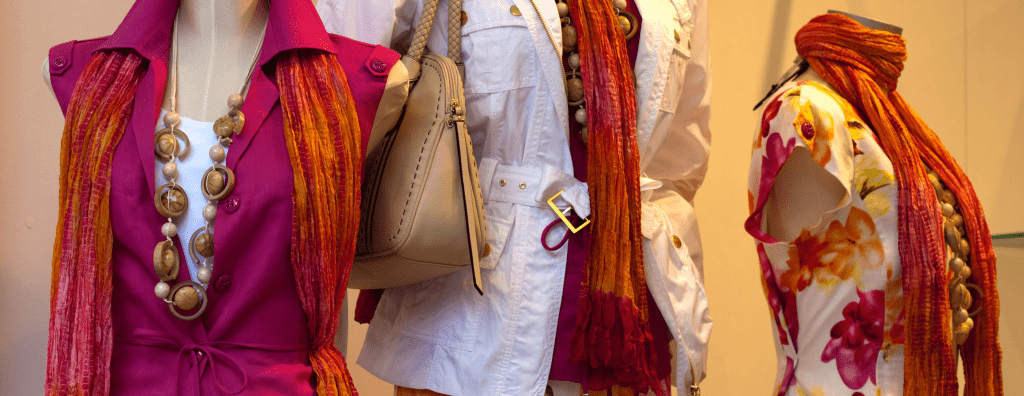
Designer Profiles: Features on emerging and established designers require a compelling personal story, distinctive design philosophy, and evidence of professional accomplishment or innovation.
Trend Reports: These analytical pieces spotlight emerging movements in fashion, requiring contributors to demonstrate cultural awareness and trend forecasting abilities.
Beauty Content: Coverage of beauty products and techniques demands scientific credibility, visual appeal, and alignment with Harper’s Bazaar’s sophisticated aesthetic.
Cultural Commentary: Essays and interviews exploring the intersection of fashion with art, literature, politics, or social movements must offer intellectual depth and original perspective.
Understanding which category best suits your work helps target your pitching efforts more effectively.
Building Your Brand for Harper’s Bazaar Magazine Consideration
Developing a Cohesive Brand Identity
Before approaching Harper’s Bazaar Magazine, ensure your brand projects a clear, consistent identity. Harper’s Bazaar editors receive countless pitches daily; those with confused or generic branding rarely progress beyond initial screening. Your visual identity, messaging, and product offerings should tell a coherent story that editors can quickly grasp and potentially share with readers.
Begin by defining your brand’s core values, aesthetic principles, and target audience. These foundational elements should inform every aspect of your business, from product design to marketing materials. Consistency across touchpoints signals professionalism and intentionality—qualities Harper’s Bazaar Magazine values in potential features.
Creating Portfolio-Worthy Work
The quality of your work ultimately determines your viability for Harper’s Bazaar coverage. Focus on creating pieces that demonstrate exceptional craftsmanship, innovative thinking, and professional execution. Harper’s Bazaar Magazine rarely features work that feels derivative or mass-produced; editors seek originality that contributes meaningfully to fashion discourse.
Invest in professional photography that presents your work optimally. Images should be high-resolution, thoughtfully composed, and aligned with Harper’s Bazaar’s visual aesthetic. Many promising designers fail to secure coverage because their documentation doesn’t meet the magazine’s exacting standards, regardless of the quality of their actual designs.
Building Industry Credibility
Harper’s Magazine typically features businesses with established credibility within the fashion industry. Before pursuing magazine coverage, focus on building your professional reputation through:
- Participation in recognized fashion events and showrooms (e.g: Met gala, London fashion week, Milian fashion week, Paris fashion week)
- Securing stockists with good industry standing
- Gaining endorsements from respected fashion professionals
- Receiving coverage in smaller publications or digital platforms
- Developing a following on social media and among fashion influencers
Each credential strengthens your case when approaching Harper’s Bazaar editors, demonstrating that others in the industry have already vetted and validated your work and it also helps fast track your work on the Harper’s Magazine Cover.

Networking Strategies for Harper’s Bazaar Magazine Connections
Identifying Key Decision-Makers
Successful placement in Harper’s Magazine or Harper’s Bazaar Magazine Cover typically requires connecting with the right editorial staff. Begin by researching the magazine’s masthead to identify editors whose areas of responsibility align with your work. Fashion directors, features editors, and section editors typically have more direct influence over content selection than the editor-in-chief, who often approves final selections rather than generating initial leads.
Follow these decision-makers on social media to understand their personal tastes and recent professional interests. Industry websites like The Business of Fashion and Women’s Wear Daily often report on editorial appointments and departmental changes, helping you maintain current knowledge of the magazine’s team structure.
Developing Relationships with Fashion Editors
Meaningful relationships with Harper’s Bazaar Magazine staff develop gradually through professional interactions. Attend industry events where editors might be present, including fashion shows, product launches, and panel discussions. When appropriate, introduce yourself briefly, expressing specific appreciation for their work rather than immediately pitching your brand.
Digital networking can supplement in-person connections. Engage thoughtfully with editors’ social media content, offering substantive comments rather than generic praise. Remember that relationships should be mutually beneficial; consider how you might provide value to editors beyond seeking coverage for your own work.
Working with PR Professionals Who Have Harper’s Bazaar Connections
Public relations professionals with established relationships at Harper’s Magazine can significantly increase your chances of coverage. When selecting a PR representative, prioritize those with demonstrable connections to the publication and a track record of securing placements for similar brands.
Effective PR partnerships involve clear expectations and strategic collaboration. Your representative should understand both your brand identity and Harper’s Bazaar’s editorial needs, bridging these through tailored pitches and timely follow-up. While
PR services represent a significant investment, they often provide the most direct path to Harper’s Bazaar Magazine cover for emerging brands.
Crafting the Perfect Pitch for Harper’s Bazaar Magazine
Understanding the Timing of Editorial Calendars
Harper’s Bazaar Magazine, like most print publications, works months ahead of publication dates. Pitches for seasonal content should arrive 4-6 months before the intended issue, accounting for the magazine’s production timeline. Research Harper’s Bazaar’s editorial calendar, which often includes themed issues and special features planned months in advance.
Digital content operates on a more compressed schedule but still requires strategic timing. Monitor Harper’s Bazaar’s website and social media to identify recurring features and content patterns, then align your pitches with these established formats. Timing pitches around relevant cultural moments or industry events can also increase their relevance to editors.
Writing Effective Pitch Emails
Your pitch email may determine whether your work receives consideration for Harper’s Bazaar Magazine coverage. Craft subject lines that communicate specific values without appearing desperate or generic. Opening paragraphs should immediately establish relevance to Harper’s Bazaar’s audience and editorial mission.
The body of your pitch should:
- Concisely describe your brand or project
- Explain specifically why it belongs in Harper’s Magazine
- Highlight any newsworthy elements or timely angles (collection launch, runway debut, etc)
- Mention relevant credentials or endorsements
- Clearly state what you’re offering (interview, product sampling, exclusive content)
Close with a specific but non-pressuring call to action, such as availability for further discussion or samples ready for editorial consideration.
Creating Press Kits That Impress Harper’s Magazine Editors
Professional press materials significantly enhance your credibility when pursuing Harper’s Bazaar Magazine coverage. Develop a digital press kit that includes:
- Brand biography emphasizing your unique perspective and relevance to Harper’s Bazaar
- High-resolution lookbook or product images adhering to editorial standards
- Brief designer/founder biography highlighting relevant background and accomplishments
- Press release detailing newsworthy aspects of your current collection or project
- Links to past media coverage or notable endorsements
- Contact information for immediate follow-up
These materials should reflect Harper’s Bazaar’s premium positioning through sophisticated design, flawless writing, and careful curation. Avoid overwhelming editors with excessive information; prioritize quality over quantity in all press materials.
Leveraging Digital Presence to Attract Harper’s Bazaar Magazine
Optimizing Your Website and Online Portfolio
Harper’s Bazaar editors likely research potential features online before proceeding with coverage. Your website should function as a 24/7 digital showroom, presenting your work with the same care you’d give a physical presentation to Harper’s Bazaar Magazine staff.
Ensure your site includes:
- Portfolio-quality photography displaying your work optimally
- Clear brand storytelling that communicates your unique perspective
- Evidence of professional accomplishment and industry recognition
- Easy navigation allowing editors to quickly assess your work
- Mobile-friendly design that functions across devices
- Contact information prominently displayed for editorial inquiries
Regularly update your online portfolio to showcase your most current and relevant work, particularly pieces that align with Harper’s Bazaar’s aesthetic preferences.
Utilizing Social Media to Connect with Harper’s Bazaar
Social media platforms offer opportunities to build visibility with Harper’s Bazaar Magazine editors and their research teams. Instagram typically serves as fashion’s primary platform, but a comprehensive strategy may include Pinterest, Twitter, and emerging platforms depending on your specific niche.

Effective social media presence includes:
- Consistent posting of high-quality visual content
- Thoughtful captions demonstrating industry knowledge
- Strategic use of hashtags relevant to Harper’s Bazaar editors
- Engagement with Harper’s Bazaar’s social accounts when appropriate
- Building relationships with influencers and brands already featured in the magazine
- Showcasing press features and industry recognition
Remember that Harper’s Bazaar editors value sophistication; avoid aggressive self-promotion or content that contradicts the magazine’s elevated positioning.
Alternative Routes to Harper’s Bazaar Magazine Coverage
Collaboration Opportunities with Established Brands
Partnering with brands already featured in Harper’s Bazaar Magazine can provide indirect access to coverage. Seek collaboration opportunities with established names that complement your work and already have relationships with the publication. These partnerships might include limited-edition products, creative projects, or event sponsorships.
Successful collaborations create newsworthy stories that interest Harper’s Bazaar editors while reducing the perceived risk of covering a newer brand. Ensure any collaborative projects maintain quality standards worthy of Harper’s Bazaar Magazine’s attention, as established partners will protect their relationships with the publication.
Participating in Industry Events Covered by Harper’s Bazaar
Fashion weeks, trade shows, and industry competitions frequently receive Harper’s Bazaar Magazine coverage. Participation in these events places your work in contexts already receiving editorial attention, potentially earning mention in related coverage.
When selecting events, research which ones typically receive Harper’s Bazaar coverage and whether they align with your brand positioning. Presentation quality at these events must meet magazine standards, as Harper’s Bazaar editors will evaluate your work alongside established industry leaders.
Engaging with Harper’s Bazaar on Social Media
Strategic engagement with Harper’s Bazaar Magazine’s social media content can gradually build familiarity with digital teams that influence coverage decisions. Comment thoughtfully on posts relevant to your expertise, sharing insights rather than promotional messages. This approach positions you as a knowledgeable industry voice while raising awareness of your brand among the publication’s digital staff.
Some brands successfully transition from social media engagement to coverage in Harper’s Bazaar’s digital platforms, which may eventually lead to print features. This gradual progression allows editors to become comfortable with your brand through lower-stakes digital mentions before committing to more prominent coverage.
Preparing for Your Harper’s Bazaar Magazine Feature
Meeting Production Requirements
If Harper’s Bazaar Magazine expresses interest in your work, you’ll need to meet rigorous production standards. The magazine typically requires:
- Products available for photoshoots with sufficient lead time
- High-resolution images meeting specific technical specifications
- Prompt response to editorial team requests
- Availability for interviews or additional information
- Adherence to exclusivity agreements if applicable
Prepare these capabilities in advance to avoid delays when opportunities arise. Many brands miss potential Harper’s Bazaar coverage because they cannot quickly provide requested materials or samples within editorial deadlines.
Interview Preparation and Media Training
Features in Harper’s Bazaar Magazine often include designer interviews that significantly shape public perception of your brand. Prepare compelling responses to common questions about your inspiration, process, and brand philosophy. Practice articulating your story concisely while highlighting aspects most relevant to Harper’s Bazaar’s audience.
Consider professional media training if you have limited interview experience. Effective interview subjects provide quotable insights rather than generic statements, strengthening the editorial appeal of your feature. Remember that Harper’s Bazaar Magazine’s sophisticated readership expects thoughtful, articulate perspectives from featured designers.
Maximizing the Impact of Harper’s Bazaar Magazine Coverage
Leveraging Your Harper’s Bazaar Feature
Appearing in Harper’s Bazaar Magazine provides credibility that can accelerate your brand’s growth—if strategically leveraged. Prepare to amplify your feature through:
- Professional press release announcing the coverage
- Social media content highlighting the feature
- Website updates showcasing the Harper’s Bazaar mention
- Outreach to retailers citing the magazine’s endorsement
- Sales materials incorporating the Harper’s Bazaar feature
Plan these follow-up activities before coverage appears, allowing immediate implementation when your feature publishes. The visibility window following Harper’s Bazaar coverage is brief but valuable for building additional momentum.
Building Ongoing Relationships with Harper’s Bazaar
A single Harper’s Bazaar Magazine feature or even an appearance on the Harper’s Bazaar Magazine Cover represents an opportunity to develop an ongoing relationship with the publication. After coverage appears, send a brief, professional thank-you note to the relevant editor. Continue creating work that meets Harper’s Bazaar’s standards, and provide updates on significant developments without overwhelming editorial contacts.
Brands that maintain relationships with Harper’s Bazaar often receive repeat coverage, particularly when they demonstrate consistent quality and professional conduct. Each feature increases your credibility for future coverage considerations, creating a positive cycle of media recognition.

Common Mistakes to Avoid When Pursuing Harper’s Bazaar Magazine
Pitching Errors That Turn Off Harper’s Bazaar Editors
Even exceptional work can be overlooked due to presentational missteps. Avoid these common pitching errors:
- Generic, non-specific pitches that could apply to any publication
- Overly aggressive follow-up that disrespects editors’ time
- Pitching work obviously misaligned with Harper’s Bazaar’s aesthetic
- Grammatical errors or typos that suggest carelessness
- Excessive familiarity without established relationship
- Sending materials without research on appropriate contacts
Remember that Harper’s Bazaar editors receive countless pitches daily; respect their expertise by providing only thoughtfully prepared, relevant proposals.
Maintaining Professionalism Throughout the Process
Professional conduct significantly influences editorial decisions about featuring you in Harper’s Bazaar Magazine. Maintain composure even when facing rejection or delays, as editors remember difficult interactions when considering future coverage. Respond promptly to all editorial requests, respect confidentiality around upcoming features, and adhere to agreed deadlines.
If challenges arise during the coverage process, address them constructively rather than assigning blame. Your professional reputation within the Harper’s Bazaar editorial team affects not only current opportunities but potential future coverage as your brand develops.
Conclusion: Your Path to Harper’s Bazaar Magazine
To get featured in Harper’s Bazaar Magazine represents a significant achievement in fashion industry recognition. The path requires exceptional work, strategic relationships, and professional persistence. By understanding Harper’s Bazaar’s specific aesthetic and editorial standards, you can develop targeted approaches that maximize your chances of coverage.
Remember that Harper’s Magazine seeks brands that enhance its prestigious reputation and provide value to its discerning readership. Focus first on creating truly exceptional work, then on presenting it effectively to the right editorial contacts. With consistent quality and strategic outreach, you can join the distinguished designers and brands featured in the pages of Harper’s Bazaar Magazine.
Whether you’re an emerging designer or established brand seeking greater visibility, the techniques in this guide provide a framework for approaching one of fashion’s most influential publications. Your Harper’s Bazaar Magazine feature may require time and persistence, but the industry recognition it provides offers lasting value for your fashion career.